Tube Lifters: Solving Real-World Handling Challenges with ADRIA Tube Lifters
July 9, 2025
Ergonomic Vacuum Lifters That Transform Logistics Operations
July 28, 2025
Preventive Maintenance for Tube Lifters: 5 Crucial Steps to Keep Your Vacuum Lifter Running Smoothly
In the world of material handling, tube lifters (also referred to as tubelifters) are essential tools for increasing productivity and reducing physical strain on workers. These vacuum lifting systems are commonly used in warehouses, logistics centers, packaging lines, and manufacturing facilities for safely lifting boxes, bags, barrels, sheets, and more.
However, like any piece of industrial equipment, preventive maintenance for tube lifters is critical to ensure long-lasting performance, minimize unexpected downtime, and protect operator safety. A well-maintained tubelifter system not only performs better, but also contributes to a safer and more productive workplace.
As part of your facility's maintenance planning, it's important to understand that preventive measures are far more cost-effective than reactive repairs. Replacing a filter or seal before it fails can prevent costly operational shutdowns or accidents. Let’s explore five essential steps that form the foundation of every effective preventive maintenance for tube lifters strategy.
1. Filter Inspection and Replacement in Preventive Maintenance for Tube Lifters
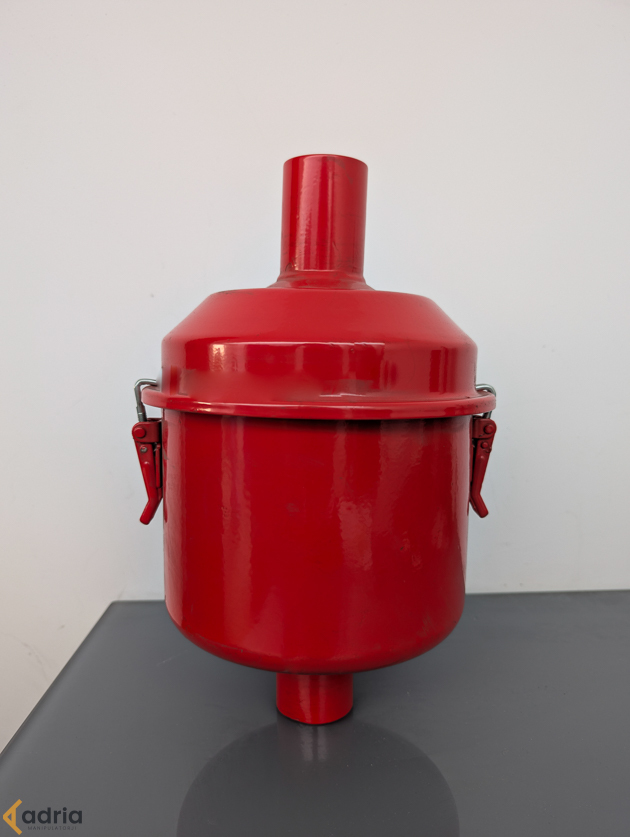
One of the most vital components of a tube lifter is its air filter system. These filters prevent dust, debris, and other particles from entering the vacuum pump and other sensitive components.
- A clogged or dirty filter reduces airflow and vacuum power.
- Contaminants can cause damage to internal components.
- Poor filtration can lead to reduced lifting capacity or complete system failure.
Maintenance Tips:
- Inspect the main filter weekly.
- Replace filters according to the manufacturer’s guidelines (typically every 3–6 months).
- Use OEM (original equipment manufacturer) filters to ensure proper fit and function.
Pro Tip: Label your filters with the replacement date to track service intervals easily.
2. Hose Checks and Leak Prevention in Tube Lifter Maintenance
The hoses in a vacuum tube lifter system are responsible for transporting air between the pump, control system, and suction head. Over time, hoses may wear out, crack, or develop leaks that reduce efficiency.
Common signs of hose problems include:
- Decreased lifting power
- Audible hissing or whistling sounds
- Visible cracks or deformities
What to Do:
- Perform a visual inspection of all vacuum hoses monthly.
- Replace any hose showing signs of aging or damage.
- Ensure all connections are tightly secured and not leaking.
Pro Tip: If your tubelifter is struggling to lift materials efficiently, it’s often due to unnoticed air leaks—don’t underestimate regular hose inspection as part of preventive maintenance for tube lifters.
3. Suction Head and Seal Maintenance for Tube Lifters
The suction head (or vacuum pad) is the direct point of contact between the lifter and the load. It contains rubber seals or foam gaskets that ensure a tight grip on surfaces.
- Worn-out seals can result in vacuum loss.
- Poor sealing increases the risk of dropped loads.
- Damaged pads reduce the safety and reliability of your tube lifter.
Maintenance Routine:
- Check the condition of seals before each shift.
- Clean the suction pads regularly with a damp cloth to remove dust or debris.
- Replace worn seals immediately with the correct model-specific replacements.
Note: Overused seals can harden and crack—replacing them on time maintains the efficiency of your tubelifter and supports ongoing preventive maintenance for tube lifters.
4. Monitoring Vacuum Pump Performance in Preventive Maintenance
The vacuum pump is the heart of your tube lifter. If it’s not functioning correctly, the entire system will underperform or fail.
- Slow or weak suction
- Overheating motor
- Excessive noise or vibrations
Preventive Measures:
- Check oil levels and quality (if using an oil-lubricated pump).
- Listen for unusual sounds during operation.
- Service the pump every 6–12 months based on usage intensity.
Reminder: Always follow the manufacturer’s pump-specific service schedule to ensure warranty compliance and peak efficiency as part of preventive maintenance for tube lifters.
5. Operator Training as a Pillar of Preventive Maintenance for Tube Lifters
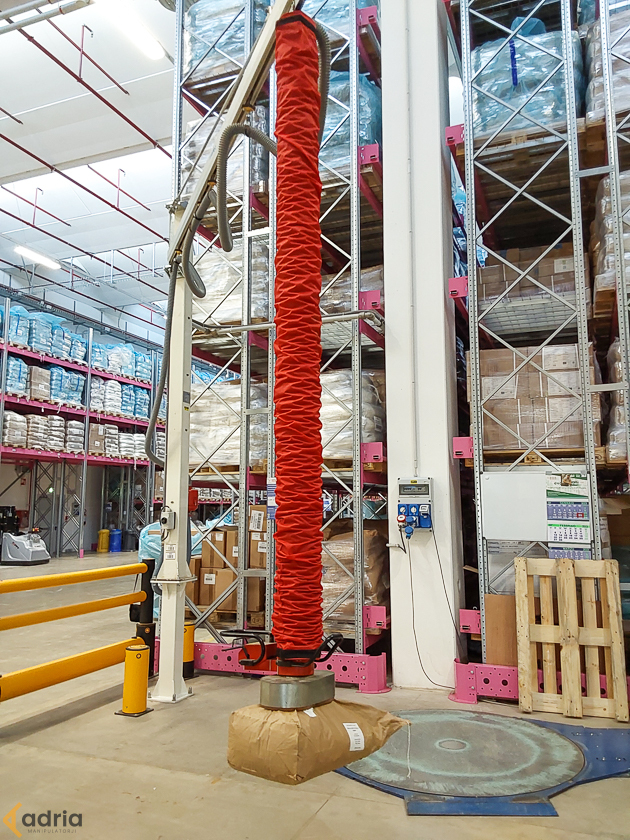
Even with top-quality equipment, improper handling can quickly lead to wear and damage. Ensuring all operators are trained is one of the most cost-effective maintenance strategies.
- Proper startup and shutdown procedures
- Load capacity limits
- How to identify early signs of wear or malfunction
- Basic cleaning and daily checks
Bonus Benefit: Trained staff are more likely to report issues early, which helps prevent major failures and expensive repairs.
Add-On: Whether you're using a vacuum tube lifter for warehouse automation or production lines, employee training is key to maximizing the lifespan of your tubelifter system and ensuring proper preventive maintenance for tube lifters.
Bonus Tip: Schedule-Based Preventive Maintenance for Tube Lifters
To ensure consistency, it’s highly recommended to document a regular preventive maintenance schedule for tube lifters. This schedule should include daily, weekly, and monthly checklists, responsibility assignments, and logging completed tasks for compliance and traceability.
Using a digital CMMS (Computerized Maintenance Management System) can streamline this process and send automated reminders for critical service intervals.
Final Thoughts on Preventive Maintenance for Tube Lifters
Preventive maintenance for tube lifters is not just a best practice; it’s a necessity for any facility that relies on vacuum lifting technology. By incorporating these five steps into your regular maintenance schedule, you’ll enjoy:
- Longer equipment life
- Fewer unexpected breakdowns
- Safer operations
- Higher efficiency
Remember, a well-maintained vacuum tube lifter doesn’t just lift loads—it lifts your entire workflow.
Need Help with Maintenance or Spare Parts? Contact our service team at TubeLifters.com for expert advice, genuine replacement parts, or to schedule a service visit.