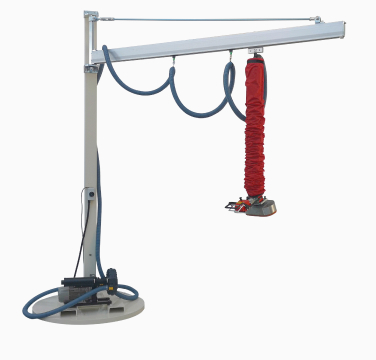
Tube Lifter

Tube Lifter

Tube Lifters

The Ideal Solution for safe and efficient handling of boxes, bags, and panels

High-Quality Components for Optimal Performance Each vacuum lifter is designed with high-performance components to ensure maximum reliability: 

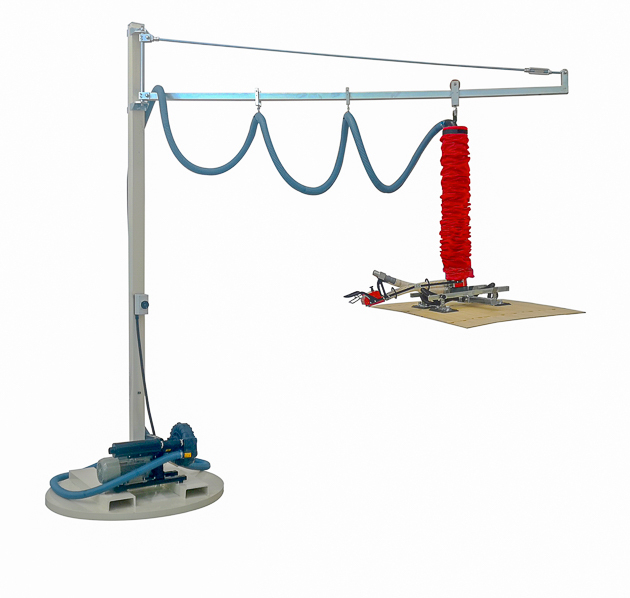
Tube Lifters: High-flow vacuum pump: The heart of the system, it creates the necessary vacuum to lift and hold the load securely. Available in different sizes, the pump is chosen based on the weight, porosity of the load, and specific operational requirements. 

Durable lifting tube: This tube lifters resists lateral deformation, ensuring stability and precision during lifting. Its diameter is calibrated to handle loads of various sizes and weights, offering optimal vertical movement. 

Ergonomic control handle: With this handle, the operator can control lifting, movement speed, and load release with precision. The operation is intuitive, making the process fast and safe. 

Suction cup gripping system: The suction cups provide a firm yet gentle hold on the load’s surface. Simply place them on the material, and you`re ready to lift! 

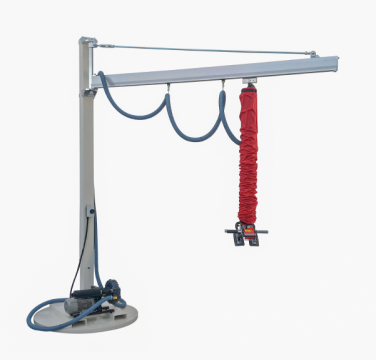
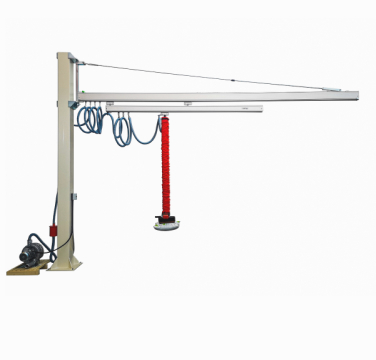
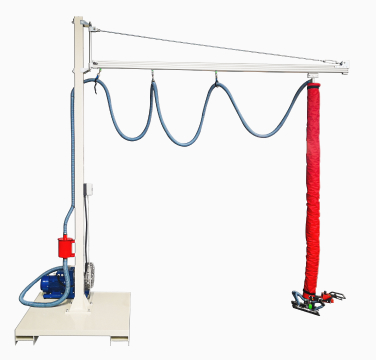
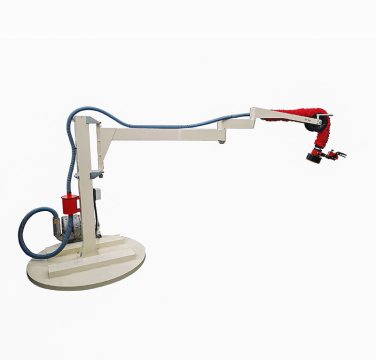
Mobile reaction point: For maximum versatility, the tube lifters can be paired with various mobile supports, such as jib cranes, articulated arms, cantilever arms, or light overhead cranes. These systems can be floor-mounted, anchored to existing columns, or suspended from overhead tracks. 

Safety First One of the key features of vacuum lifters is their built-in safety. In the event of suction failure, the system gradually lowers the load before safely releasing it to the ground. This ensures that the load is never dropped from a suspended position, preventing accidents.


Why Choose Vacuum Lifters?

 Opting for a vacuum lifter means choosing a reliable partner for handling heavy and bulky loads. With advanced technology and ease of use, these lifters not only improve operational efficiency but also enhance workplace safety. 

Choose the smarter, safer solution for your business: Choose vacuum lifters for safe and efficient material handling!

Products
Efficient and Ergonomic Coil Handling with ADRIA Pneumatic Manipulator

In this video, we present the ADRIA pneumatic manipulator for safe, precise, and ergonomic handling of coils and rolls. This solution improves work efficiency and reduces physical strain on operators during everyday material handling.

FAQ: Vacuum Tube Lifter

1. What happens if power is lost?
The load will descend to the ground and will only be released once it is resting, thanks to a force ratio greater than 2.5 between the suction cup and the lifting tube.
2. What power supply does a vacuum lifter require?
It runs on three‑phase electrical power without a neutral wire. Frequency can be 50 Hz or 60 Hz as required. Maximum current draw is 10 A (inrush peaks up to 55 A), and absorbed power ranges from 3 to 5 kW.
3. Can the suction cups grip only the side surfaces of boxes?
Yes—provided the manufacturer supplies a special gripping attachment designed for the box sides.
4. Can suction cups grip boxes even when strapping bands are present?
Yes, suction cups will still hold the load with strapping bands in place. However, you must test your specific packaging type before using the lifter in production.
5. Can suction cups be placed on the tape sealing the two top flaps?
No. Positioning suction cups over the junction of the top flaps—even if taped—can cause the flaps to separate during lifting, resulting in vacuum loss and a dangerous drop of the load.
6. What can cause reduced lifting capacity?
It is never due to a decline in vacuum‑pump performance. Common causes include: - Dirty filter: empty, clean, or replace the internal cartridge. - Crushed or punctured suction hose: repair or replace. - Collapsed or worn lifting tube: replace if it has lost its cylindrical shape or become porous through abrasion. - Leaky control head: replace the gaskets.
7. With a multi‑cup attachment, is it allowed to deactivate some cups to handle smaller loads?
No. Disabling suction cups is prohibited—even for lighter loads—because safe operation depends on maintaining a ratio > 2.5 between total suction‑cup area and the cross‑section of the lifting tube.
8. How far from the lifter can the vacuum pump be located?
Up to 5 m from the start of the system (gantry crane or jib crane). For greater distances, please consult the supplier.
9. Between movements, can I leave the suction cup attached to hold the lifter in place?
No. Leaving the cup under vacuum when idle will overheat the turbine impeller, leading to seizure.
10. Is it normal for the turbine impeller to heat up?
Yes—temperatures can exceed 100 °C. To minimize heating (and energy use), keep the suction cup engaged only as long as necessary and avoid raising it to maximum height when unloaded.
11. What information is needed to request a quote for a vacuum tube lifter?
- Maximum load weight - Minimum and maximum lift heights (top‑of‑load hook point) - Smallest load dimensions - Load‑surface material - Work‑area dimensions and clear‑height constraints
12. Can the lifter be hung from an existing crane?
Depends on the crane’s boom height—vacuum lifters require a higher suspension point than standard electric hoists.
13. Can it be used in food‑grade environments?
Yes—there are stainless‑steel versions compliant with food‑industry standards.
14. Is it possible to increase the capacity of an existing lifter?
Yes—either by using a larger‑diameter lifting tube or a vacuum pump with higher pressure. In both cases, contact your supplier.
15. Can the lifter be moved to different areas of the facility?
Yes—by mounting its support crane on a self‑standing forkable base that can be relocated with a forklift or pallet truck.
16. How often must a vacuum lifter be inspected?
Quarterly, as specified in the user‑manual maintenance schedule. Inspections may be performed by qualified in‑house personnel or by an external service provider.