Ergonomic Vacuum Lifters That Transform Logistics Operations
July 28, 2025
Green Logistics: How Tube Lifters Contribute to Sustainable Operations
September 28, 2025
10 Mistakes to Avoid When Using Tube Lifters – Complete Guide
Tube lifters are powerful and versatile tools that can significantly improve workplace safety and efficiency when lifting boxes, pipes, sacks, or other heavy materials. However, misuse can lead to costly damage, injuries, and machine failure. In this guide, we’ll highlight the top 10 mistakes users make when operating tube lifters and explain how proper practices recommended by Tubelifters.com can improve equipment longevity and vacuum pump performance.
Introduction to Safe Use of Tube Lifters
A tube lifter is an essential tool in any industrial environment where pipes, boxes, or irregularly shaped loads need to be moved safely and efficiently. Using it correctly not only improves productivity but also ensures the safety of operators and extends the life of the equipment.
In this comprehensive guide, we’ll cover the 10 most common mistakes when using a tube lifter, explain why they are risky, and how they can affect suction cups, the vacuum pump, and overall lifting performance.
1. Ignoring the Suction Cup-to-Load Surface Ratio
One of the most fundamental rules in tube lifter safety is selecting suction cups with the correct surface contact ratio. Misjudging this can compromise the vacuum seal.
- For small loads, the ratio must be at least 2.5.
- For vertical surfaces, the recommended ratio is 4.
Failing to follow these standards can cause the load to slip, reduce vacuum efficiency, and damage the suction system.
Pro Tip: Always measure the load surface area and match it to compatible suction cup sizes.
2. Forcing the Tube Beyond Its Movement Range
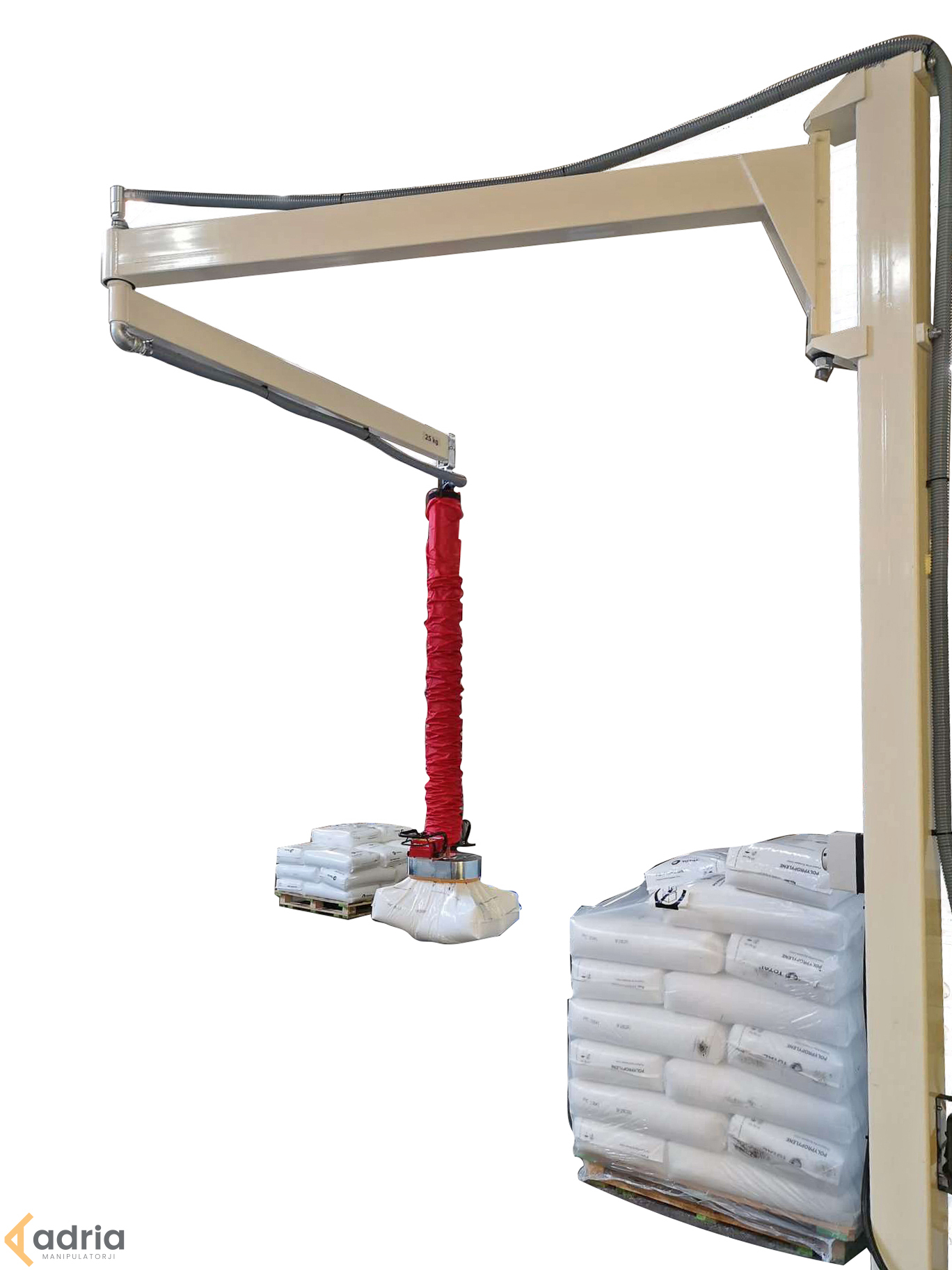
Bending the tube lifter to reach loads outside of its normal range can lead to deformation or even structural collapse.
Best Practice: Ensure the lifting height is properly adjusted before use. Never pull or force the tube sideways or downward against its design.
3. Leaving Suction Cups Engaged When Idle
Keeping the suction cup attached when not lifting can strain the lifting tube and reduce its overall life cycle. Constant pressure causes material fatigue.
Maintenance Tip: Release the suction system and return the tube to neutral or standby mode between lifts.
4. Exceeding Crane or Arm Load Ratings
Tube lifters must be used with cranes that match their load capacity. Overloading the arm or using a high-powered crane without load limiters can overstress joints and seals.
- Never exceed the rated mechanical limits.
- Avoid abrupt or jerky movements during lifting.
5. Incorrect Suction Cup Placement on Boxes
When handling cardboard boxes, placing suction cups on seams or taped surfaces is a common mistake. These areas provide weak adhesion and may peel or collapse.
Always place suction cups on flat, solid areas—away from seams, flaps, or rounded corners.
6. Keeping Vacuum Pump Running Without Load
Running the vacuum pump continuously while idle leads to unnecessary wear and overheating, reducing its lifespan and risking breakdowns.
Best Practice: Switch off suction when not in use and implement start-stop logic if available.
7. Attempting to Lift Overweight Loads
Lifting more than the tube lifter’s specified capacity can cause catastrophic failure of the suction system and vacuum tube.
Always validate load weight and check for moisture, porosity, or irregular shape—all of which affect suction power.

8. Removing Suction Without Using Control Lever
Forcefully pulling off suction cups without using the release control causes damage to the handle mechanism and internal seals.
Always disengage using the correct lever motion.
9. Blocking Unused Suction Cups Improperly
To lift smaller loads, some operators block one or more suction cups. If done incorrectly, this unbalances pressure and increases drop risk.
Use only approved plugs and maintain minimum surface contact guidelines.
10. Storing Tube Lifters with Suction at Maximum Height
When idle, storing the tube lifter with suction cups fully extended may dry out seals or affect responsiveness.
Return the lifter to resting position and disconnect suction.
Bonus Tips for Safe Tube Lifter Operation
- Conduct visual checks before every use.
- Keep suction pads clean and dry.
- Log maintenance and report issues immediately.
Preventing these common mistakes helps extend the tube lifter’s working life, ensures operator safety, and maintains vacuum pump efficiency.
Conclusion
Following these guidelines will increase safety, efficiency, and the life of your tube lifter:
- Inspect suction cups and the lifting tube regularly.
- Respect surface-to-suction ratios and avoid overloading.
- Use correct operating techniques and proper equipment combinations.
- Follow all recommendations from Tubelifters.com and consult their documentation for technical advice.
See Our Tube Lifters in Action
Want to see how our vacuum lifters operate in real industrial environments?
Visit our YouTube channel for demo videos, installations, and expert insights.