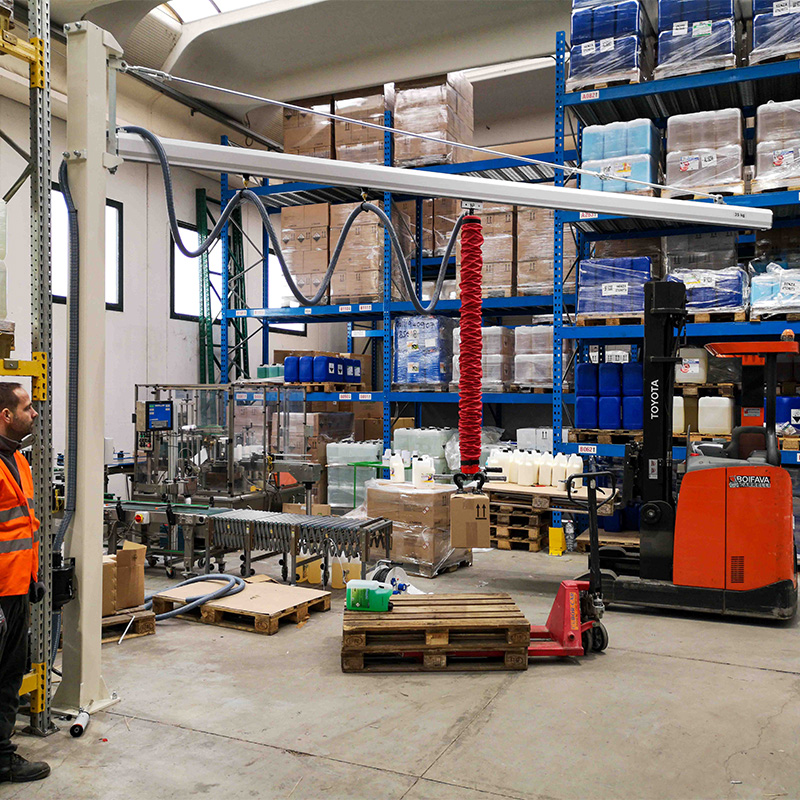
10 Mistakes to Avoid When Using Tube Lifters – Complete Guide
September 1, 2025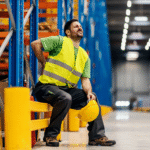
How Vacuum Tube Lifters Make Lifting Boxes and Bags Easier
October 5, 2025
Green Logistics: How Tube Lifters Contribute to Sustainable Operations
Sustainability has become a defining factor in modern industry, shaping decisions across logistics, production, and workforce management. While energy efficiency and renewables often take center stage, a frequently overlooked pillar of green logistics is material handling. Here, the use of Tube Lifters and vacuum tube lifters plays a critical role in reducing waste, cutting energy use, and improving operator wellbeing.
Reducing Workplace Injuries and Energy Waste
Manual lifting is a leading cause of workplace injuries, resulting in lost productivity, medical costs, and resource waste. By integrating Tube Lifters into daily operations, businesses reduce physical strain on employees, minimize accidents, and avoid downtime. At the same time, vacuum tube lifters operate efficiently and typically require less energy than heavy machinery such as forklifts or overhead cranes for many repetitive tasks.
Modern solutions—such as variable vacuum control, smart airflow regulation and low-noise operation—can deliver substantial energy savings over the equipment lifecycle. Compared with purely mechanical handling or oversized lifting equipment, right-sized vacuum lifting systems help organizations meet their sustainability KPIs with fewer kilowatt-hours per pick.
Minimizing Product Damage
Every damaged product translates into wasted materials, energy, transport, and packaging. The precise, secure grip of vacuum tube lifters significantly reduces the risk of dropping or mishandling goods. Whether in warehouses, food processing facilities, or manufacturing plants, Tube Lifters keep damage—and therefore waste—to a minimum by ensuring controlled acceleration, gentle placement and repeatable positioning.
Enhancing Operational Efficiency
Sustainable operations are as much about efficiency as they are about ecology. Tube Lifters improve workflow by enabling faster, safer and more ergonomic handling. Modular designs, optimized pneumatic circuits and advanced control handles reduce air consumption, extend equipment lifetime and ensure smooth operation. The result is higher output with lower energy per handled unit—directly supporting green logistics.
Environmental ROI: Measuring the Impact
- Energy per pick: Fewer kWh per movement vs. larger, over-specified machinery.
- Waste reduction: Lower product damage reduces scrap, repacking and reverse logistics.
- Health & safety: Fewer injuries cut medical costs and lost days—reducing the indirect carbon footprint.
- Asset longevity: Gentle handling extends product and packaging life; optimized pumps and filters extend system lifespan.
| Metric | Manual / Heavy Equipment | With Tube Lifters |
|---|---|---|
| Energy per handled unit | Higher / Variable | Lower / Right-sized |
| Damage rate | Elevated in peak hours | Significantly reduced |
| Operator injury risk | High (repetitive strain) | Low (ergonomic handling) |
| Cycle time | Longer, inconsistent | Shorter, repeatable |
Where Vacuum Tube Lifters Make the Greenest Difference
- Lifting boxes & cartons: Fast order picking lowers idle time and energy per pick.
- Food processing: Hygienic cups for frozen or chilled products minimize rework and spoilage.
- Drums & barrels: Controlled tilt/placement avoids leaks and contamination.
- Sheets & panels: Better yield through scratch-free handling reduces scrap.
- Concrete and stone: Surface-appropriate pads enable safe placement and fewer broken parts.
Supporting a Culture of Sustainability
Integrating vacuum tube lifters sends a clear message about a company’s commitment to sustainability. Employees notice the investment in their wellbeing; customers appreciate eco-conscious practices; stakeholders recognize long-term value. Tube Lifters become more than tools—they are symbols of a sustainable, forward-thinking workplace.
Implementation Best Practices
- Right-size the system: Match pump capacity, lift tube and cups to your heaviest routine loads—avoid overspec.
- Optimize the cell: Short travel distances, correct heights and efficient layout cut energy use per cycle.
- Maintain proactively: Clean filters, check seals, and replace cups before performance drops.
- Train operators: Smooth acceleration and deceleration preserve products and reduce air consumption.
- Track KPIs: Monitor damage rate, energy per pick and lost-time incidents to prove the green ROI.
Conclusion
Green logistics is rarely achieved through one big change, but through a sequence of smart improvements. Tube Lifters and vacuum tube lifters reduce waste, lower energy use, prevent injuries and boost efficiency. With modern control and optimized vacuum technology, businesses achieve quieter operation, measurable energy savings and long-term reliability. For companies striving toward sustainable operations, these tools are not just helpful—they are essential.
Following these guidelines will increase safety, efficiency, and the life of your tube lifter:
- Inspect suction cups and the lifting tube regularly.
- Respect surface-to-suction ratios and avoid overloading.
- Use correct operating techniques and proper equipment combinations.
- Follow all recommendations from Tubelifters.com and consult their documentation for technical advice.
See Our Tube Lifters in Action
Want to see how our vacuum lifters operate in real industrial environments?
Visit our YouTube channel for demo videos, installations, and expert insights.