
How Vacuum Tube Lifters Make Lifting Boxes and Bags Easier
Date of publication: October 2025 | Author: TubeLifters Team
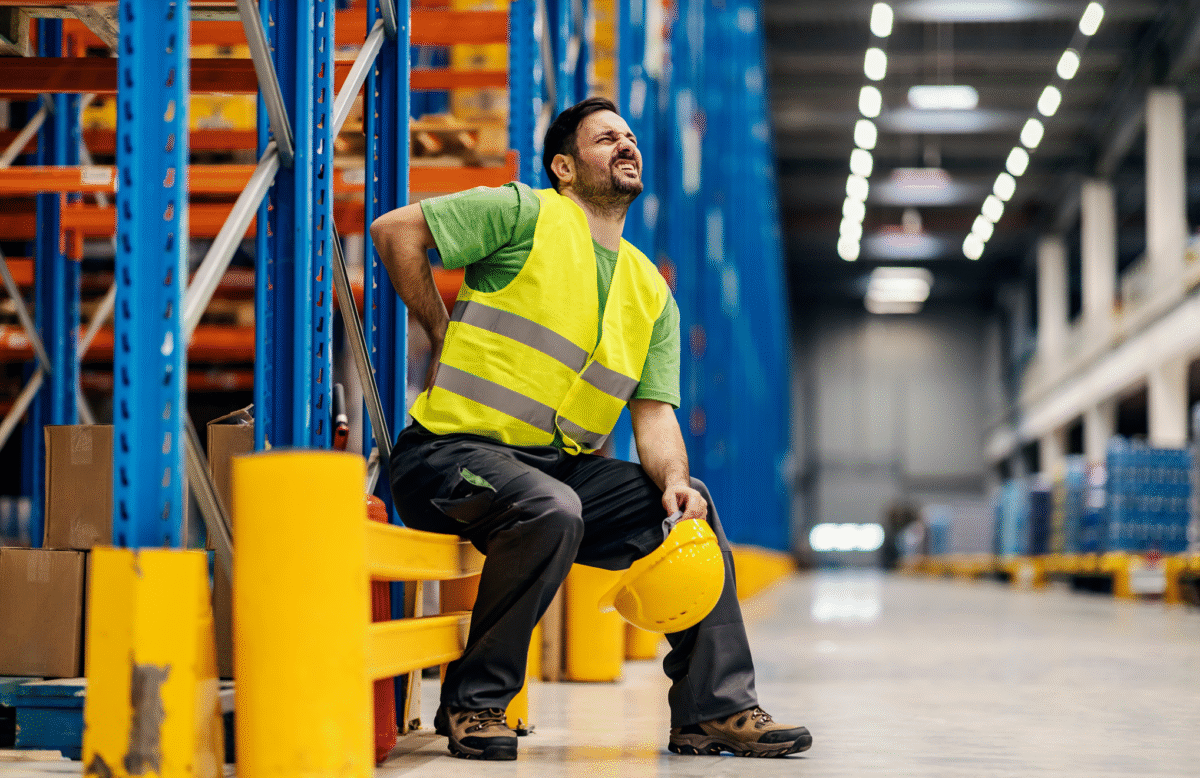
Lifting boxes and bags is an everyday challenge in warehouses, production, and logistics. Although it may seem simple, manual handling is where many back injuries, micro-delays, and bottlenecks occur. The practical solution is a vacuum tube lifter that makes work faster, safer, and more consistent while reducing strain on operators.
Below we explain why boxes and bags are difficult to handle, how vacuum tube lifters solve the problem, what productivity gains to expect, and which models to consider for low ceilings and high-throughput lines.
Why Are Boxes and Bags a Problem?
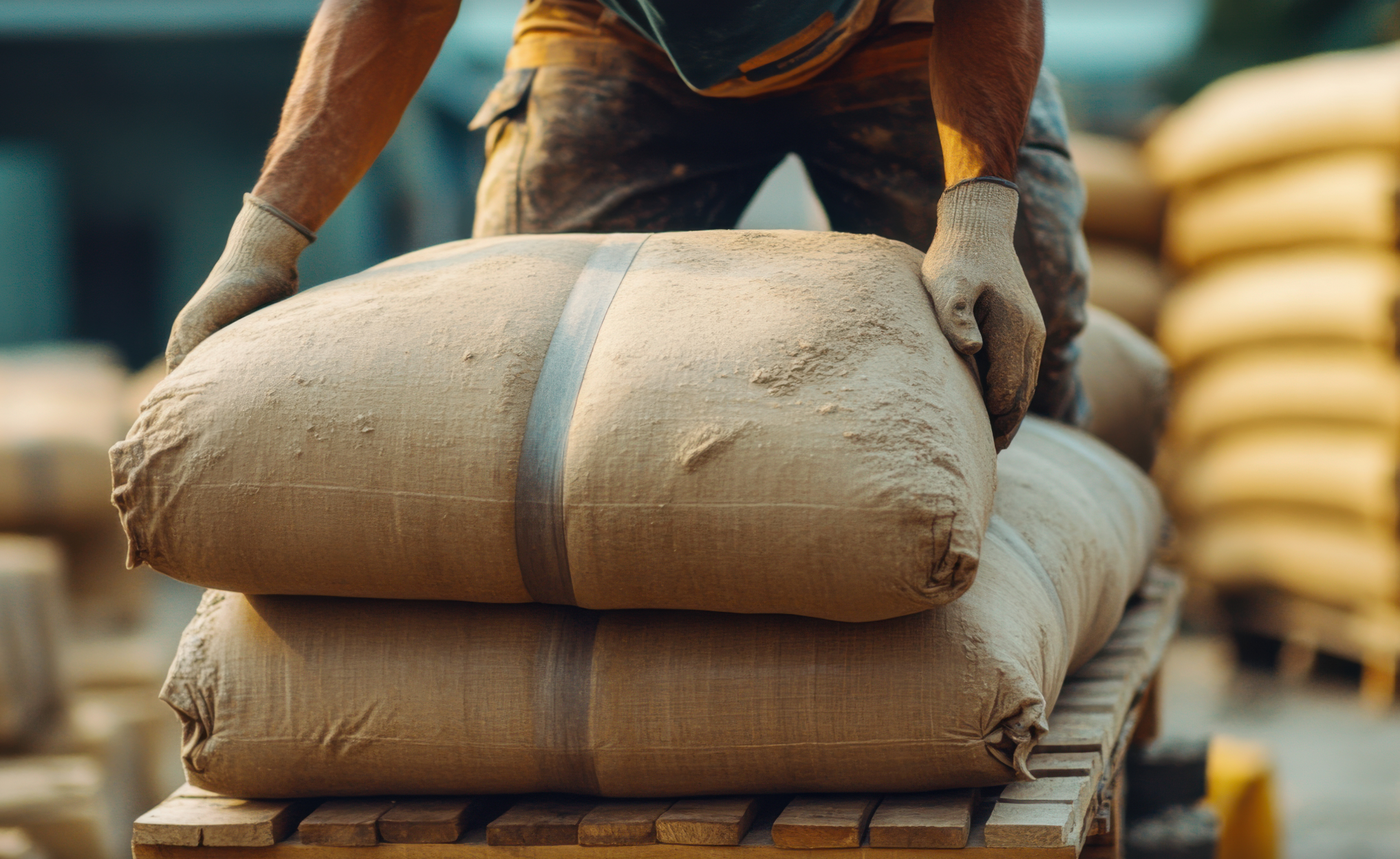
- Overweight manual lifts: bags and boxes often weigh 20–50 kg, exceeding safe manual limits for repeated handling.
- Uncomfortable shapes: soft bags deform and shift; some cartons are smooth or dusty and can be slippery.
- High repetition: operators may perform hundreds of lifts per shift, compounding fatigue and risk.
Result: fatigue, increased injury risk, inconsistent cycle times, and lower productivity.
How Does a Tube Lifter Solve the Problem?
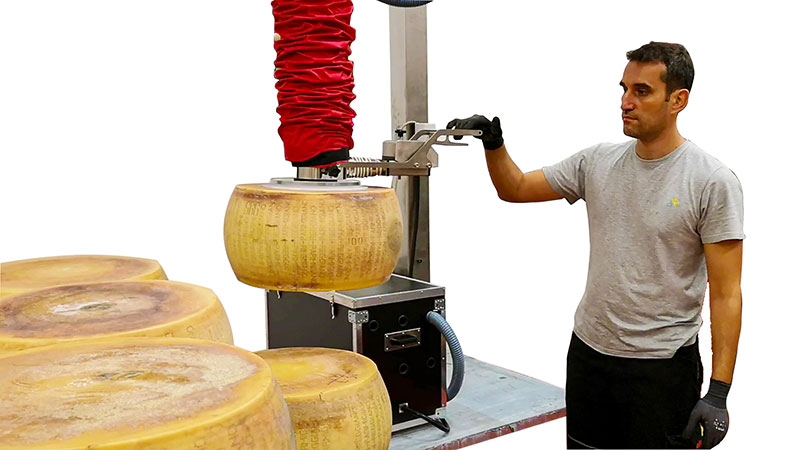
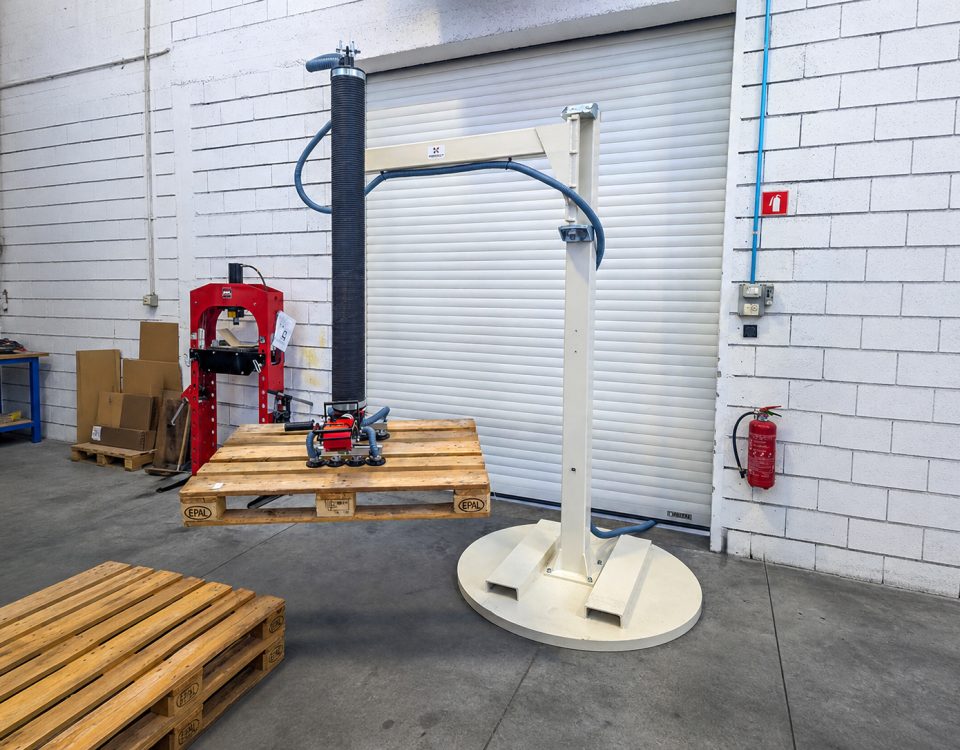
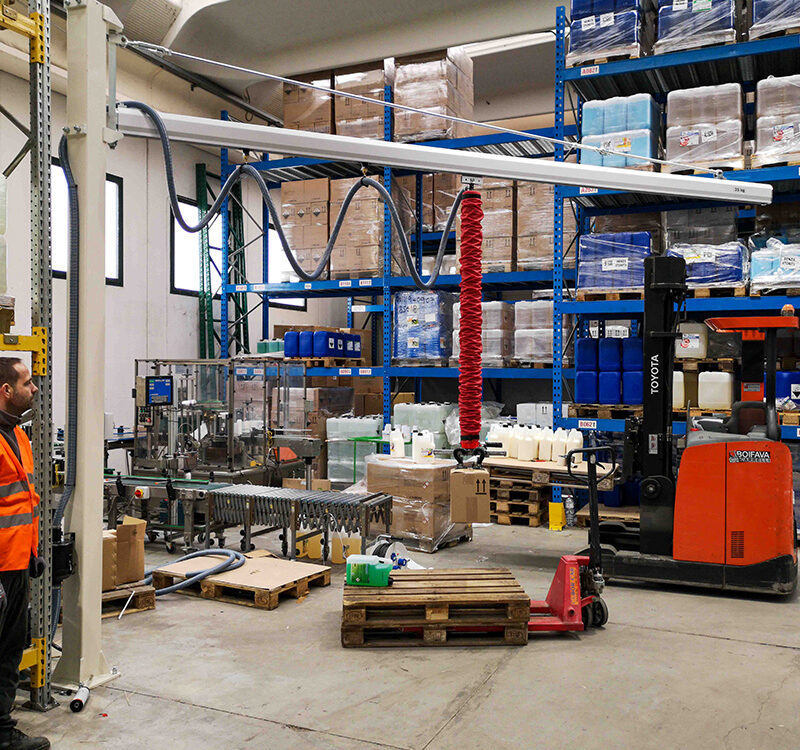
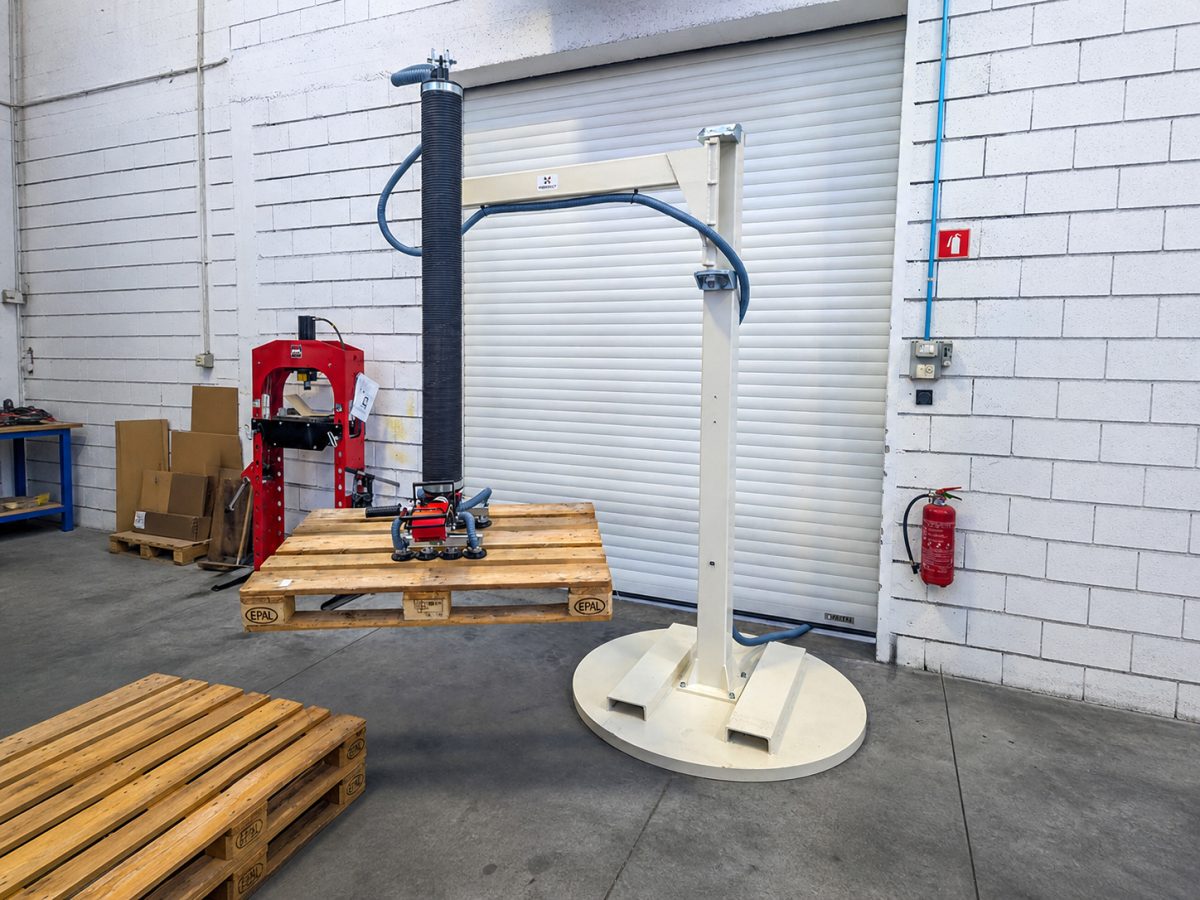
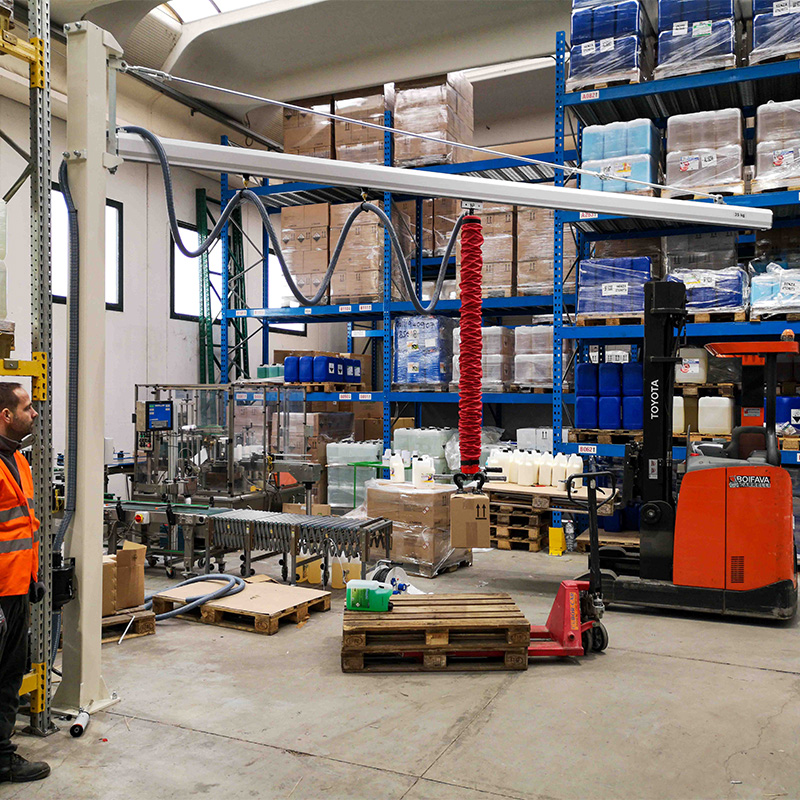
A vacuum tube lifter uses a suction pad (or a multi-cup head) to grip a box or bag securely. The lift tube raises and lowers the load using vacuum power, while a one-hand joystick provides smooth, precise control.
- Faster: up to 30–50% more material flow thanks to shorter pick-and-place cycles and fewer micro-stops.
- Safer: reduced strain and fewer injuries translate into lower absenteeism and better ergonomics.
- Flexible: one system can handle boxes, bags, and mixed lines with quick pad changes.
Key Benefits for Boxes and Bags
Productivity & Quality
- Repeatable placement improves stacking quality and reduces crushed packages.
- Consistent cycle times help planners balance lines and reduce WIP.
- Fewer drops and scuffs lower waste and rework.
Operator Health & Safety
- Minimized spinal load and awkward grips on soft bags.
- Better posture and one-hand control reduce cumulative trauma.
- Short training time—operators are confident within minutes.
Video Demonstration
Watch how we lift a box
Watch how we lift a bag
Performance, Capacity, and Fit
Most vacuum tube lifters for boxes and bags cover loads from 50 up to 150 kg, depending on model, pad selection, and boom/arm configuration. For best results, match the model to the heaviest routine load, ceiling height, and desired reach.
| Criterion | Boxes | Bags |
|---|---|---|
| Typical weight | 10–50 kg (heavier with proper pads) | 15–50 kg (deformable) |
| Recommended pad | Flat cup or multi-cup beam | Large soft-seal or oval cup for deformable loads |
| Operator training | < 30 minutes for basic proficiency | < 30 minutes for basic proficiency |
| Cycle time improvement | Up to 30–50% vs. manual handling | Up to 30–50% vs. manual handling |
Recommended Models for Boxes and Bags
- AG064 Tube Lifter — for high productivity up to 150 kg; ideal for fast box/bag lines. Explore models
- AG063 Tube Lifter — for confined spaces or low ceilings (under ~2 m) up to 50 kg; articulated arm options. Explore models
Frequently Asked Questions
1) What is the maximum lifting capacity for bags or boxes?
Depending on the configuration, vacuum tube lifters typically cover 50–150 kg. The exact capacity depends on the model (e.g., AG063 vs. AG064), suction pad selection, and boom/arm setup.
2) Can one lifter handle both boxes and bags?
Yes. By swapping suction pads or using a multi-cup head, the same vacuum tube lifter can handle rigid cartons, soft bags, and even smaller crates on mixed lines.
3) How long does operator training take?
Most operators reach basic proficiency in under 30 minutes thanks to the intuitive one-hand joystick and smooth lift/lower control.
4) What if my ceiling is low (under ~2 m)?
Choose a compact or articulated-arm configuration—such as the AG063—to maintain full functionality in low-clearance areas.
5) How do vacuum tube lifters impact productivity?
Customers commonly report up to 30–50% faster cycle times versus manual handling, plus fewer injuries and sick leaves due to improved ergonomics.
6) Which pads should I use for soft, deformable bags?
Use large, soft-seal or oval suction pads that spread the contact area and maintain grip as the bag deforms during lifting.
7) Do I need different settings for dusty or smooth cartons?
Yes. For smooth or dusty surfaces, select cups with suitable lip geometry and maintain clean, undamaged seals. Regular filter checks help ensure consistent vacuum levels.
See Our Tube Lifters in Action
Want to see how our vacuum lifters operate in real industrial environments?
Visit our YouTube channel for demo videos, installations, and expert insights.
Ready to Improve Box and Bag Handling?
Our engineers can review your loads (weight, dimensions, surface) and recommend a vacuum lifting system tailored to your line speed and ceiling height.
Contact the TubeLifters service team for guidance, spare parts, or on-site training.