

Why Choose Vacuum Lifters for Your Industrial Handling Needs
Updated: October 2025 | Author: TubeLifters Team
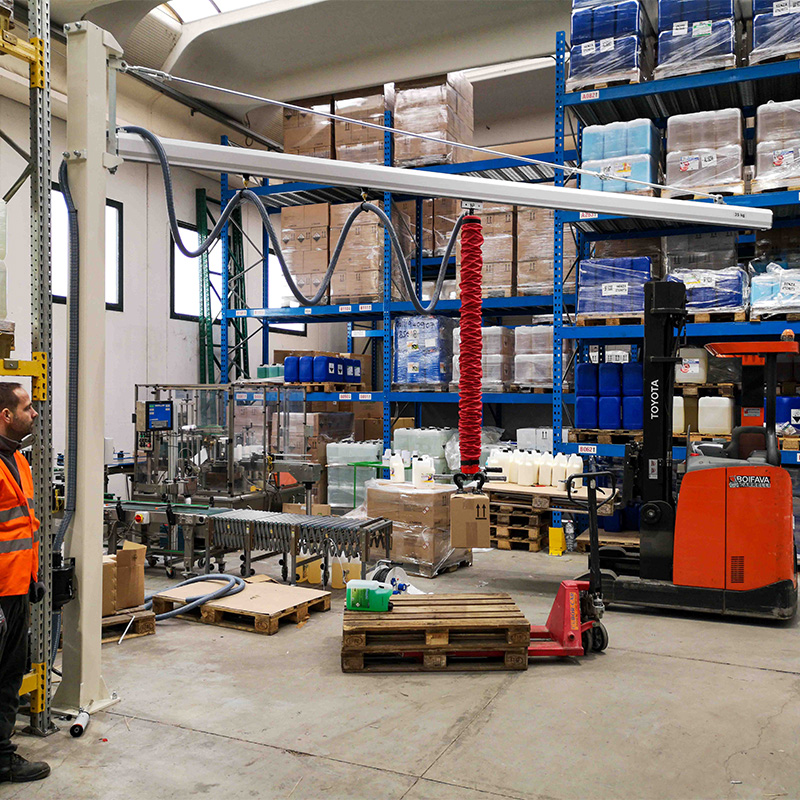
For operations that move bulky or heavy items—boxes, bags, panels, drums, sheets—modern vacuum lifters provide secure gripping, one-hand control, and repeatable cycle times. Compared with purely manual lifting or oversized hoists, vacuum tube lifters reduce strain, minimize damage, and raise throughput with a compact footprint. Explore how they work, where they excel, and which models to consider.
This guide draws from our product range at TubeLifters and the engineering expertise of Adria Manipulatorji, specialists in industrial manipulators and ergonomic handling solutions.
How a Vacuum Tube Lifter Works
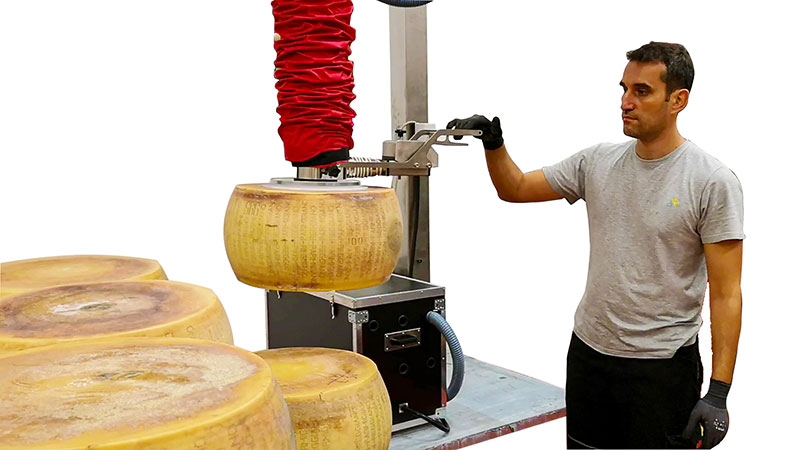
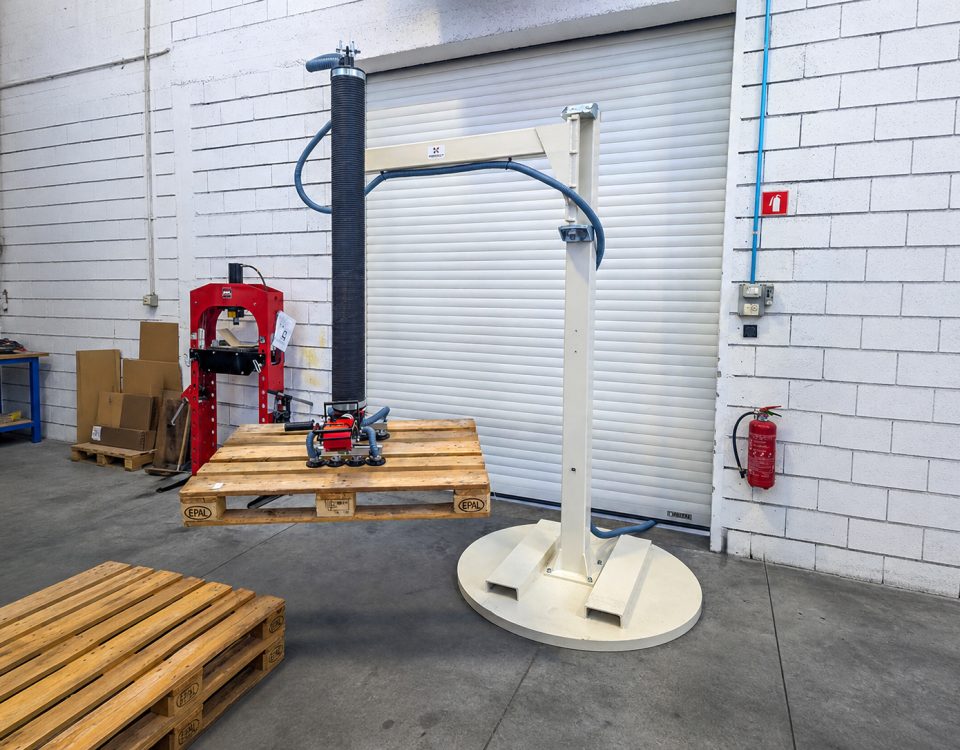
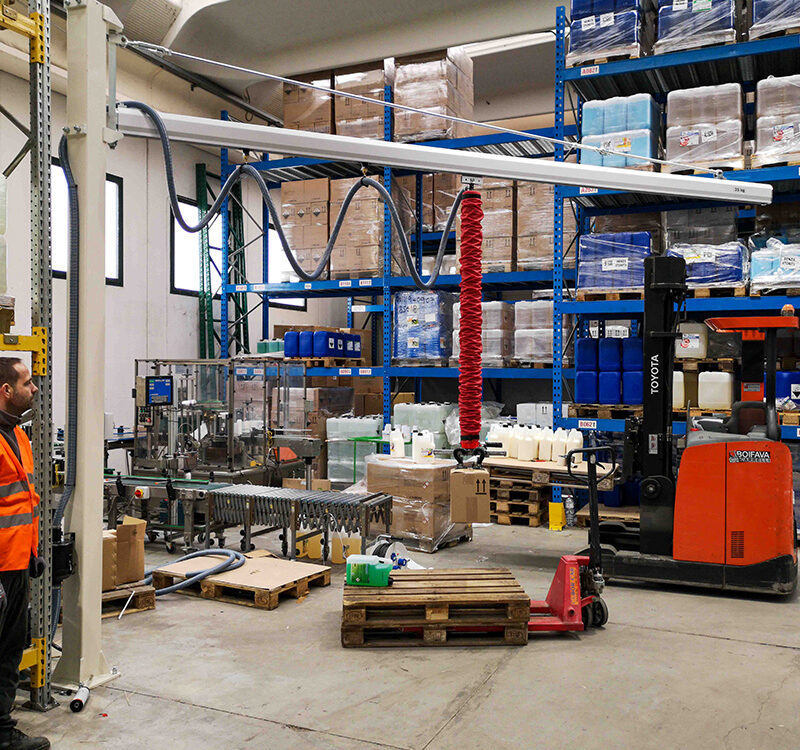
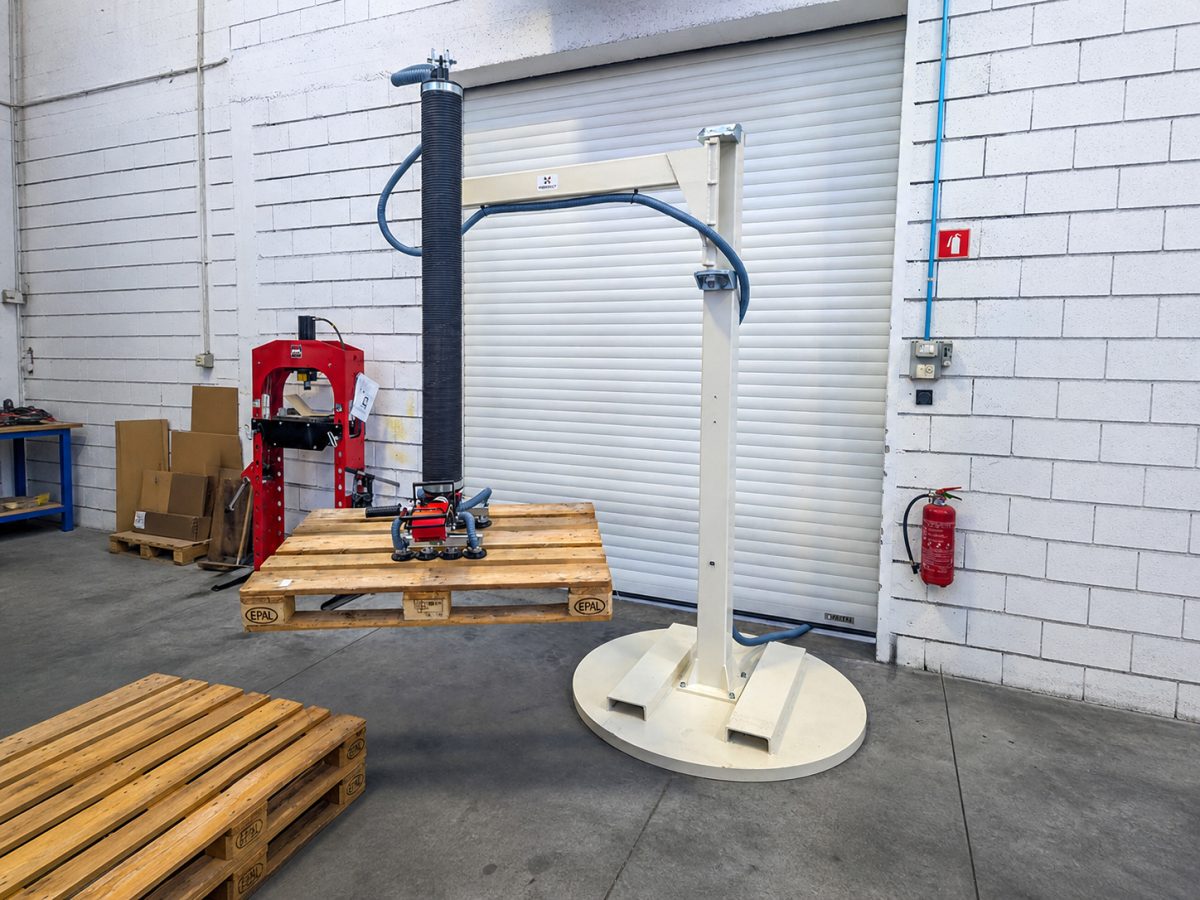
A vacuum tube lifter uses a high-flow vacuum source to create suction at the pad, gripping the load securely. The lift tube expands or contracts with vacuum pressure for smooth vertical movement, while an ergonomic handle controls lift, lower, and release with one hand. The system can be mounted on a jib crane, articulated arm, or overhead rail—adapted to your station layout and ceiling height.
- Secure grip: properly selected suction pads for boxes, bags, sheets, or porous surfaces.
- One-hand control: millimeter-accurate positioning and gentle placement.
- Failsafe behavior: in the event of vacuum loss, the load descends in a controlled manner.
- Modular design: quick-change heads and adjustable beams for multiple SKUs.
Key Benefits vs. Manual Lifting or Hoists
Safety & Ergonomics
Reduce repetitive strain and awkward grips. Operators keep neutral posture and avoid sudden load shifts.
Speed & Consistency
Short, repeatable cycles improve line balance, picking rates, and end-of-line palletizing efficiency.
Quality & Waste
Gentle, controlled placement lowers damage rates on cartons, bags, and finished panels—less rework and scrap.
Flexible Use
Swap pads to handle boxes, sacks, sheets, drums, and mixed SKUs without tool changes.
Where Vacuum Lifters Excel
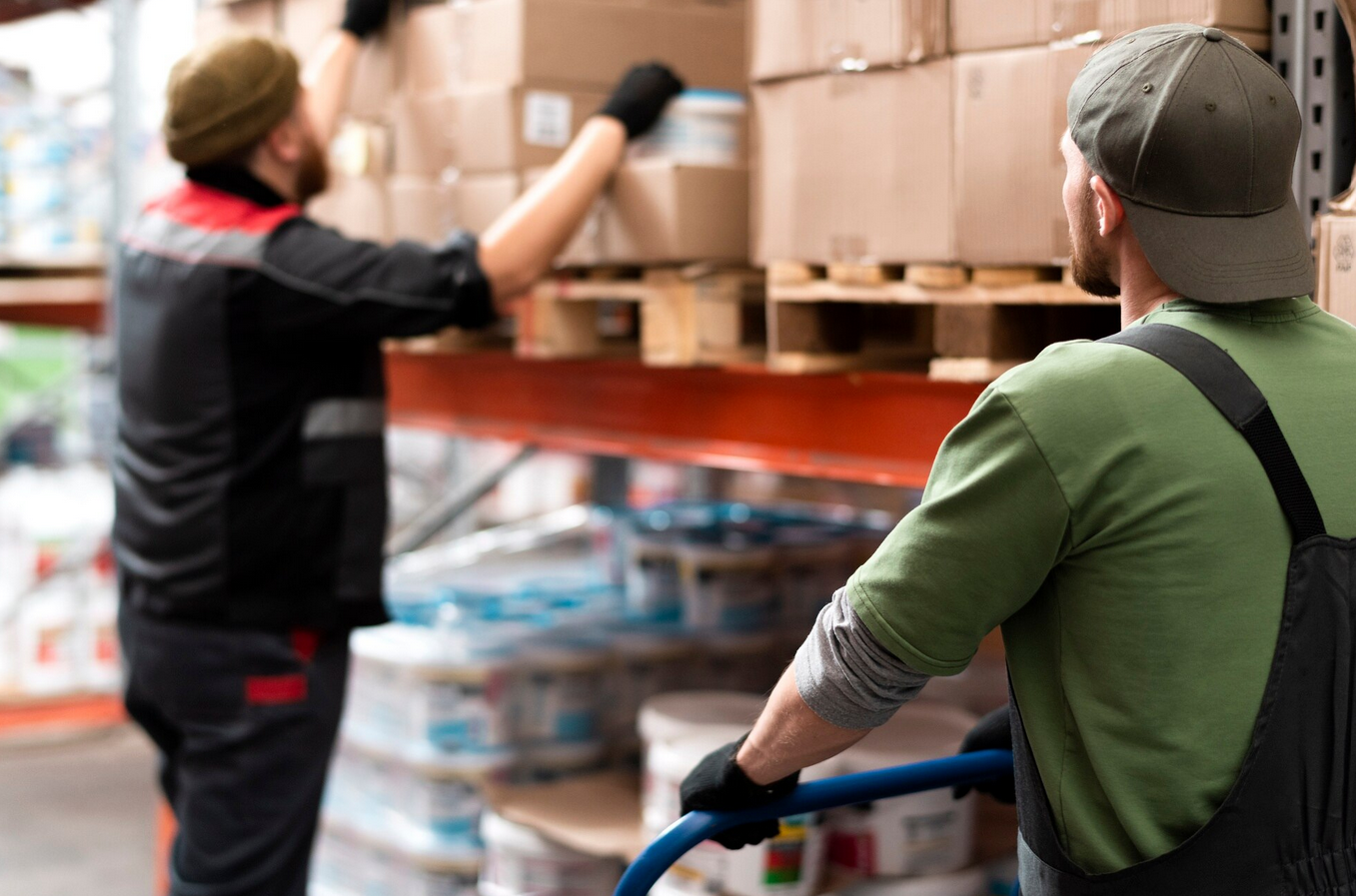
- Boxes & Cartons: faster order picking and palletizing; reliable grip even on smooth surfaces.
- Bags & Sacks: soft-seal pads maintain adhesion on deformable loads (flour, sugar, pellets).
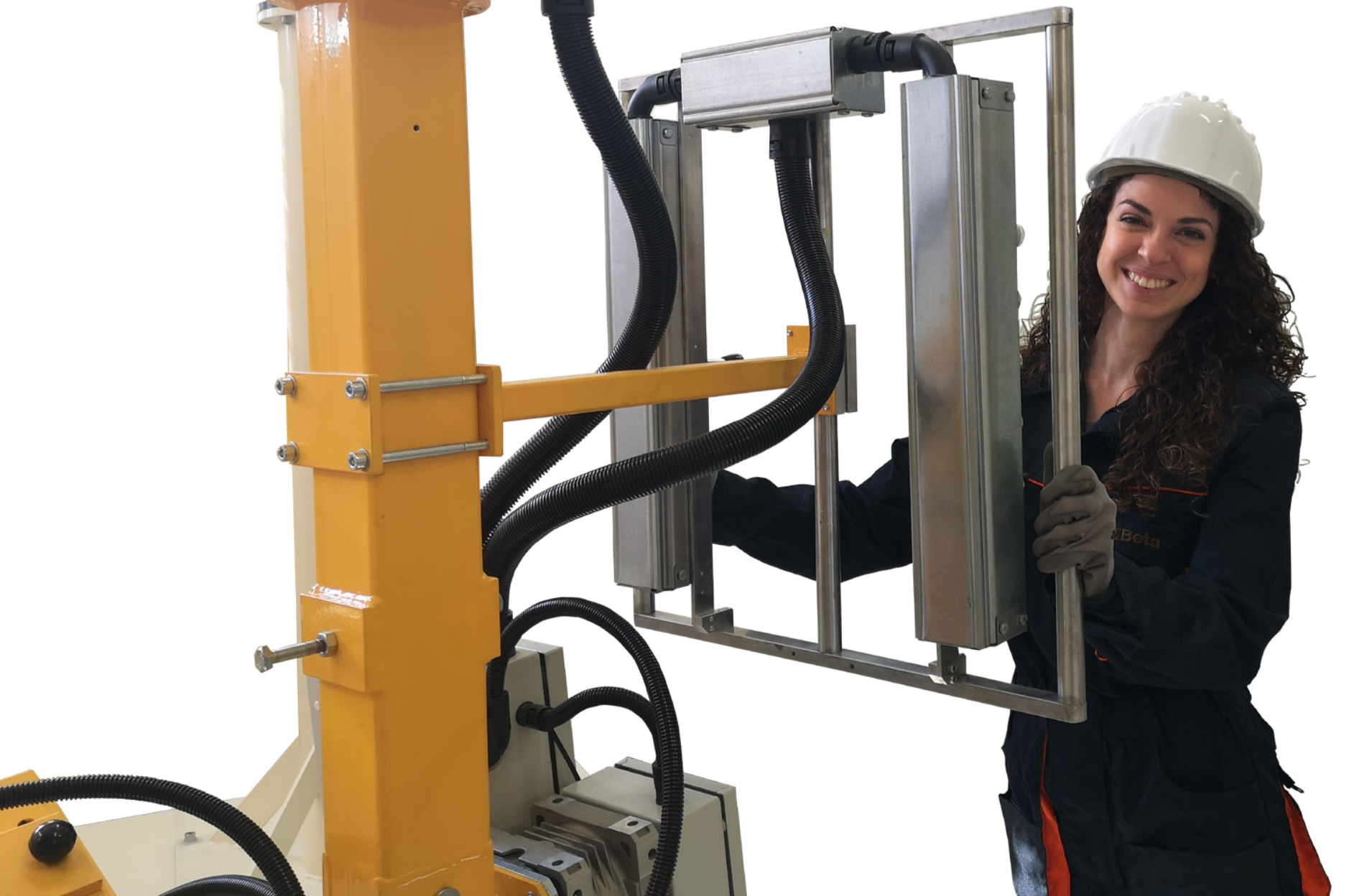
- Panels & Sheets: wood, metal, glass, plastics—scratch-free handling with multi-cup beams.
- Drums & Barrels: controlled tilt and placement reduce spill risk and operator effort.
- Cold Rooms / Hygiene: stainless and food-grade options for chilled or wash-down environments.
See our overview of Tube Lifters and spare parts to maintain peak performance.
Choosing the Right Model
Match capacity, reach, and mounting to your heaviest routine load, station layout, and ceiling height. Popular choices include:
- AG064 Tube Lifter — up to ~150 kg with up to 6000 mm reach; ideal for high-productivity box/bag lines and larger panels.
- AG057 Tube Lifter — versatile mid-range capacity (~80–110 kg) with balanced reach for mixed SKUs.
- AG055 Tube Lifter — compact, ergonomic option for moderate loads where space is limited.
For technical guidance or a site-specific layout review, contact our engineers via the TubeLifters contact page.
What Results to Expect
| Metric | Manual / Hoist | With Vacuum Tube Lifter |
|---|---|---|
| Cycle time (box 15–25 kg) | 9–12 s | 5–7 s (repeatable) |
| Operator fatigue | High | Low–Medium |
| Damage rate | Elevated at peak hours | Significantly reduced |
| Training time | Days | Hours (often < 30 min for basics) |
Explore a real-world deployment in our vacuum tube lifters case study.
Frequently Asked Questions
1) What capacities do vacuum lifters cover?
Typical systems for boxes, bags, and panels range from ~50 kg to ~150 kg depending on the model, suction pad, and arm configuration.
2) Can one lifter handle different shapes?
Yes. With quick-change pads or multi-cup beams, one unit can lift cartons, soft sacks, sheets, and even drums on mixed lines.
3) Are vacuum tube lifters safe if suction fails?
Yes. Properly set systems descend in a controlled manner and release the load near the ground to avoid drops.
4) What if we have low ceilings or tight spaces?
Use compact mounts or articulated arms and choose models with the right reach. Our team will size the column, arm, and pad for your cell.
5) How much training is required?
Most operators reach basic proficiency within an hour. The one-hand joystick makes positioning intuitive and repeatable.
6) What maintenance keeps performance high?
Regularly check seals, clean filters, and replace worn cups. See our guide to preventive maintenance for tube lifters.
Ready to Upgrade Handling?
Get a tailored recommendation for your loads, takt time, and ceiling height. We’ll specify the vacuum source, pad set, and mounting to fit your station—not the other way around.
See Our Tube Lifters in Action
Want to see how our vacuum lifters operate in real industrial environments?
Visit our YouTube channel for demo videos, installations, and expert insights.
Contact Our Service Team
Our engineers can review your loads (weight, dimensions, surface) and recommend a vacuum lifting system tailored to your line speed and ceiling height.
Contact the TubeLifters service team for guidance, spare parts, or on-site training.