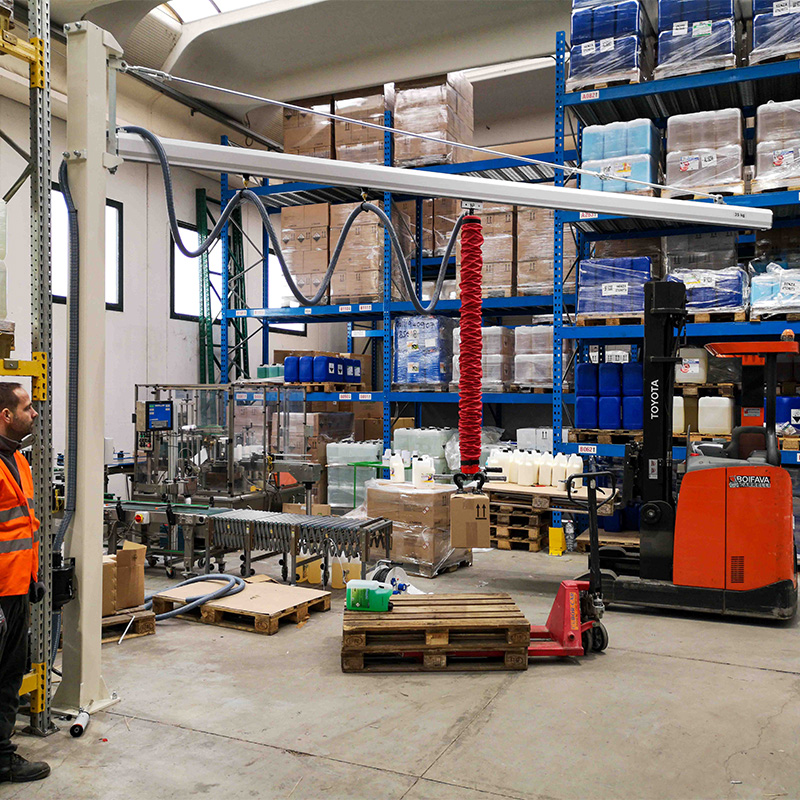
Why Choose Vacuum Lifters for Your Industrial Handling Needs
March 17, 2025
How to Choose the Right Vacuum Lifter for Your Industry
April 24, 2025
Vacuum Tube Lifters: Efficient and Safe Material Handling for Modern Industries
Vacuum tube lifters are advanced devices designed for efficient material handling in modern industrial environments. These systems offer a combination of ergonomics, safety, and speed, helping companies improve productivity while reducing workplace injuries.
What Are Vacuum Tube Lifters and How Do They Work?
Vacuum generation and lifting principle
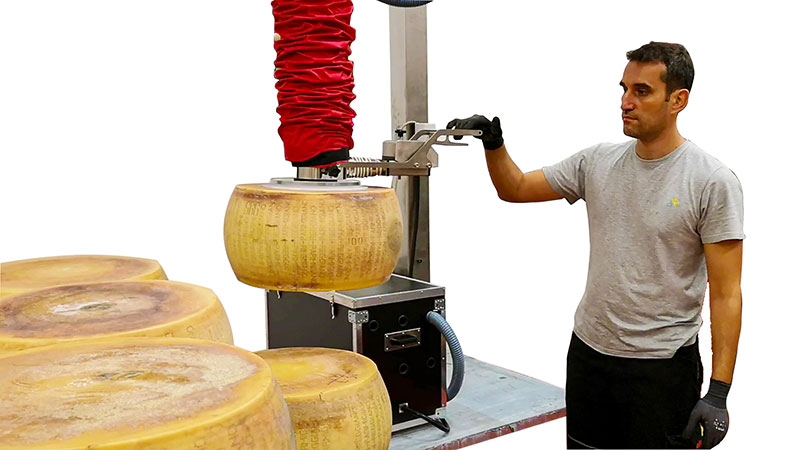
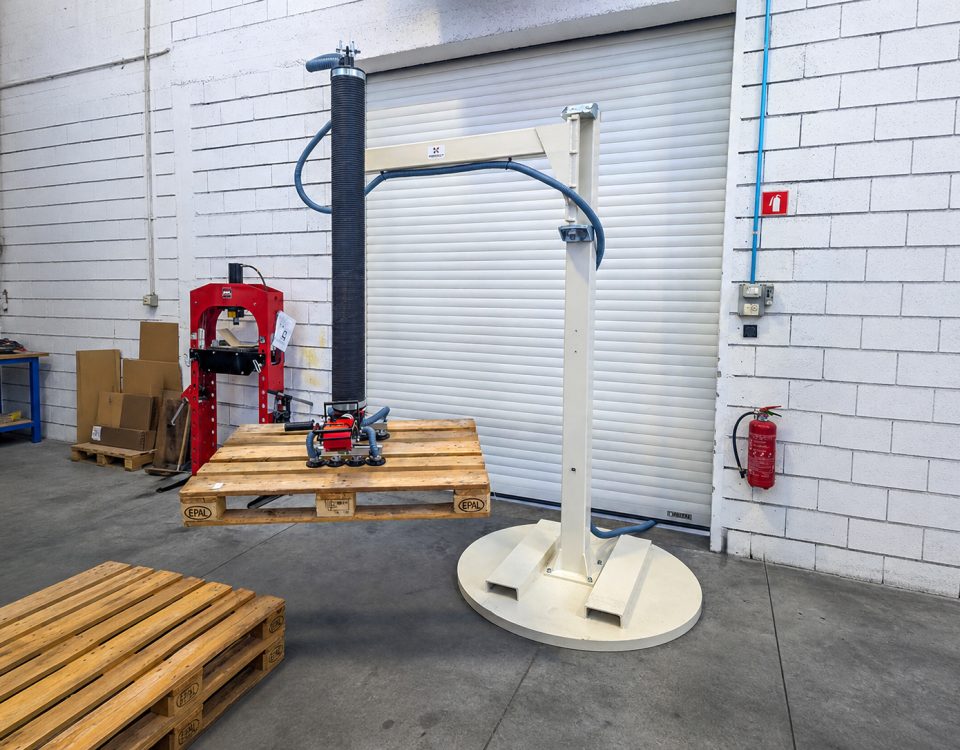
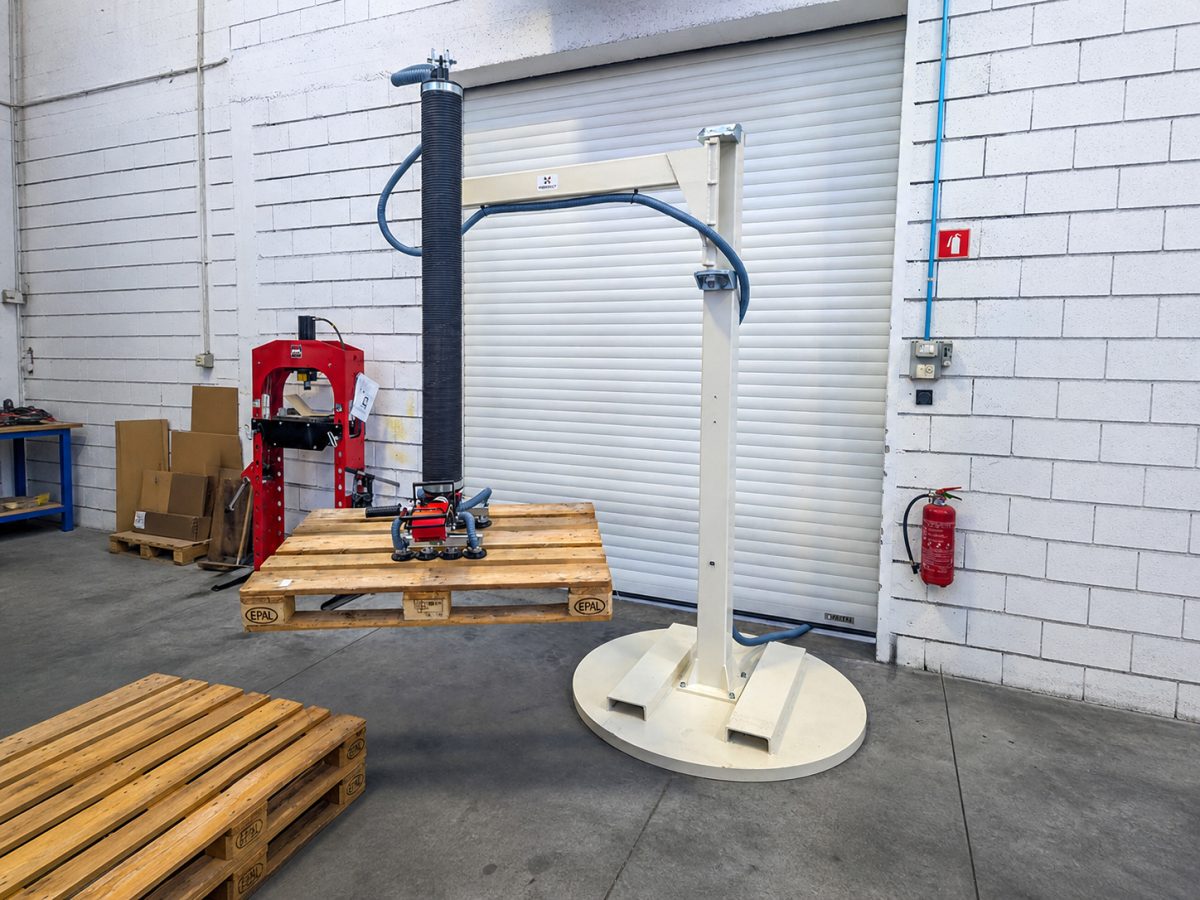
Vacuum tube lifters use a vacuum generator to create a pressure difference inside a flexible lifting tube. When placed on a surface, the system forms a secure vacuum seal, allowing reliable gripping and lifting of materials.
Control handle and precise maneuvering
Operators can lift, lower, and move loads using a control handle, which adjusts the vacuum pressure. This provides precise control, enhances handling safety, and reduces physical strain on workers.
Applications of Vacuum Tube Lifters
Common materials handled
These lifters are suitable for cardboard boxes, plastic and paper bags, metal panels, glass sheets, wood boards, and more. Their flexibility makes them a valuable tool in various industries.
Typical environments and use cases
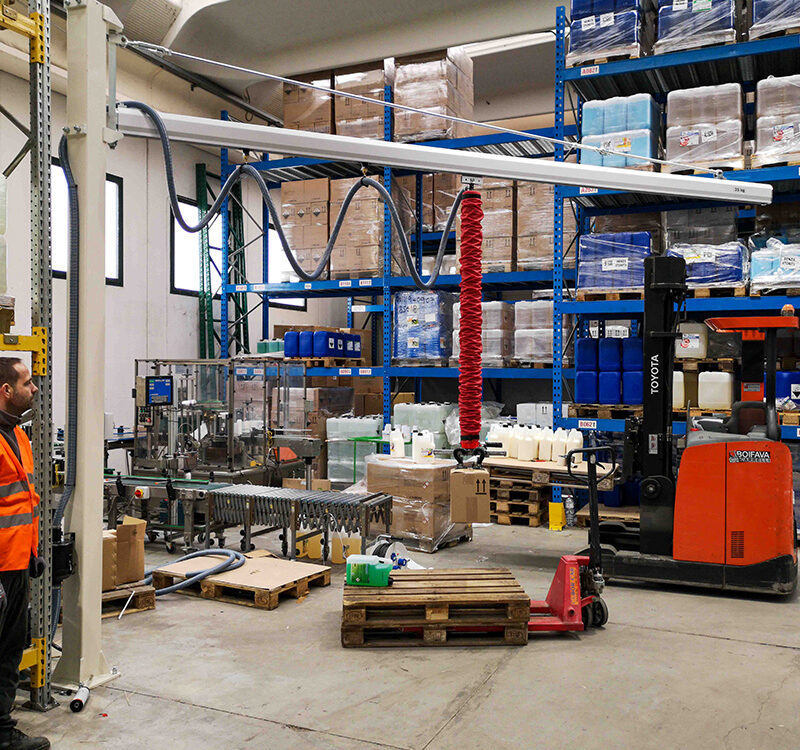
They’re commonly used in production lines, logistics centers, warehouses, and packaging areas where repetitive handling is required.
Benefits of Using Vacuum Tube Lifters
Increased productivity
With faster load handling and reduced manual effort, vacuum lifters significantly increase throughput and reduce cycle times.
Enhanced safety and reduced risk
Secure vacuum grip minimizes the chance of dropping materials, reducing damage and workplace accidents.
Better ergonomics and employee well-being
By eliminating the need for manual lifting, these systems reduce physical strain and help prevent musculoskeletal disorders.
Cost and time savings
With fewer staff required per task and lower injury rates, vacuum lifting systems reduce operating costs over time.
Industries That Rely on Vacuum Tube Lifting Solutions
Automotive
Used to lift metal panels, engine parts, and delicate components during assembly processes.
Pharmaceutical and cleanroom
Perfect for handling sealed bags, containers, and materials in hygienic environments.
Warehousing and logistics
Enhances speed and accuracy when lifting mixed-size packages and heavy boxes.
Woodworking and furniture
Enables precise lifting and positioning of large wood panels and furniture parts.
Food and beverage
Supports lifting of sealed food crates, sacks of ingredients, and other packaged items.
Case Study: Vacuum Lifter in Automotive Assembly
Initial challenges and workplace issues
An automotive plant faced frequent injuries and fatigue due to manual lifting of heavy parts, which affected productivity.
Implementation of vacuum lifting solution
Tube lifters provided a customized vacuum tube lifter system with specialized suction pads adapted to metal surfaces and panel shapes.
Results and key outcomes
After implementation:
✔ Productivity increased by 25%
✔ Workplace injuries dropped to 0
✔ Operator satisfaction improved
✔ Assembly time reduced by 15%
How to Choose the Right Vacuum Tube Lifter
Consider the load’s characteristics
Assess the weight, dimensions, and surface type of your loads to determine the right suction head and vacuum power.
Understand your workspace limitations
Evaluate your ceiling height, floor layout, and operating space to ensure smooth integration of the lifting solution.
Evaluate operational requirements
Frequency, speed, and type of movement (vertical, horizontal, tilting) should guide the selection process.
Choose the right suction technology
Use standard vacuum cups, oval pads, or custom heads depending on your material surface and porosity.

Frequently Asked Questions
Can vacuum lifters handle porous materials?
Yes, but they require specialized suction heads or sealing systems for safe and effective lifting.
What happens in case of power failure?
Modern vacuum systems include non-return valves and safety mechanisms to hold the load or gently release it.
How much maintenance is required?
Minimal. Regular cleaning and inspection of filters, suction pads, and seals ensure optimal performance.
Conclusion
Vacuum tube lifters deliver a reliable path to safe material handling by replacing repetitive, high-strain manual lifts with controlled vacuum gripping and one-hand operation. The result is fewer injuries, less product damage, and more consistent cycle times across receiving, line feeding, and end-of-line tasks.
Whether you handle boxes, bags, sheets, drums, or mixed SKUs—and even in low-ceiling or space-constrained cells—our application engineers can match the right pads, reach, and arm configuration to your heaviest routine load and takt time.
- Explore Tube Lifters — models, capacities, and typical use cases.
- Read case studies — proven gains in speed, safety, and ergonomics.
- Request a tailored quote — get a configuration optimized for your station layout.
- Watch demo videos — installations and best-practice tips.
Ready to upgrade to safer, more efficient handling? Contact the TubeLifters team for a quick application review and a proposal aligned with your loads, throughput goals, and environment.
See Our Tube Lifters in Action
Want to see how our vacuum lifters operate in real industrial environments?
Visit our YouTube channel for demo videos, installations, and expert insights.