Vacuum Tube Lifter ROI in 2026: Industrial Lifting Safety & Ergonomics
January 8, 2026
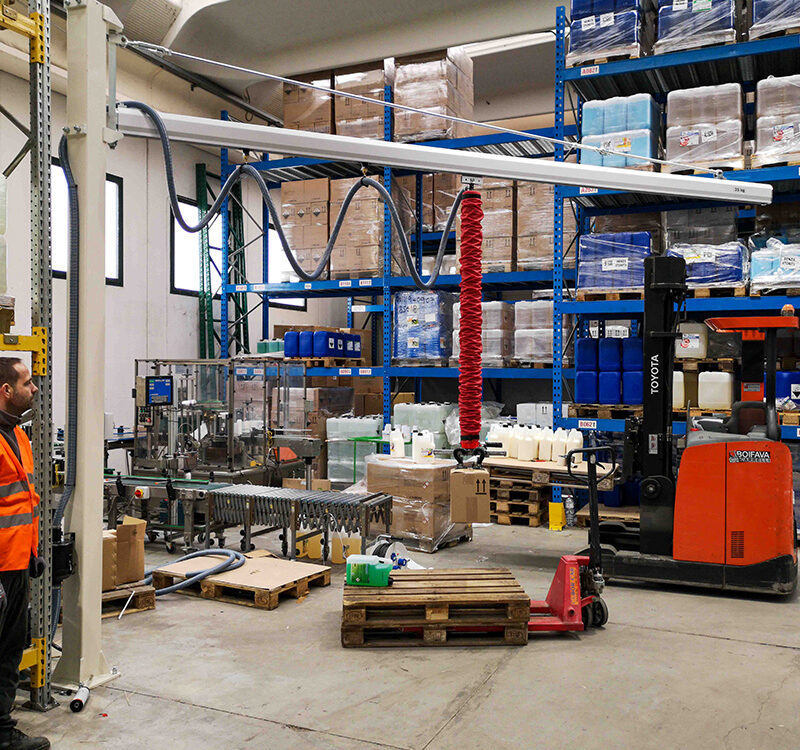
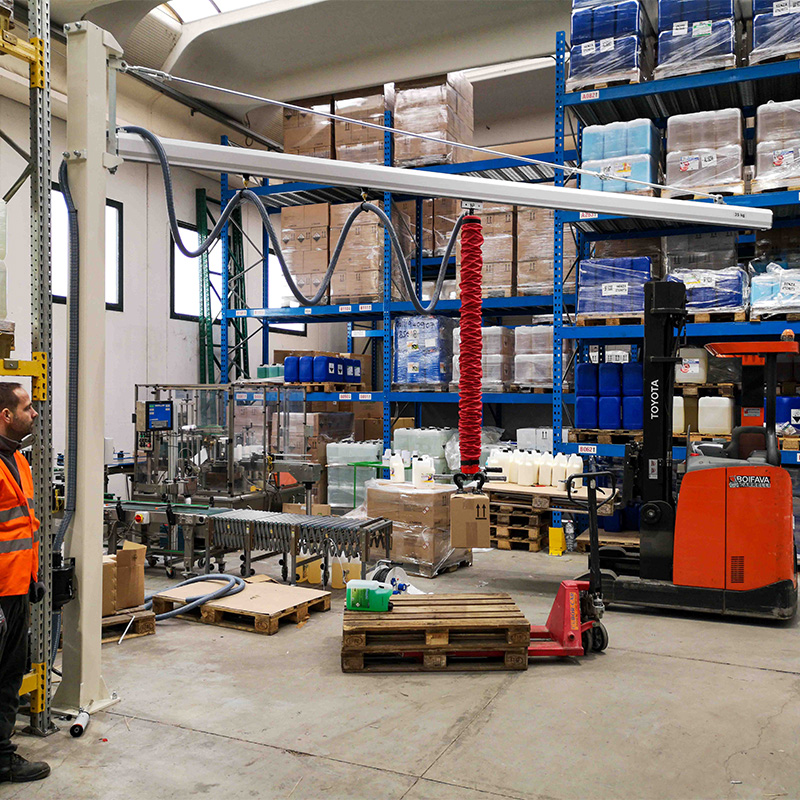
Optimizing Warehouse Efficiency: Ergonomic Lifting Solutions for Heavy Carton Handling (Case Study)
February 26, 2026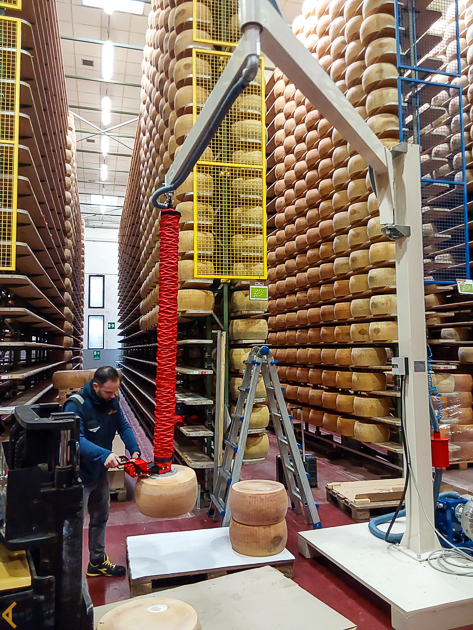
Updated for 2026 logistics and warehouse operations
Beyond Automation: Why a Manual Vacuum Tube Lifter Is the Smarter Choice for Rapid Order Picking
In the fast-paced logistics world of 2026, the pressure to increase throughput while protecting margins has never been higher. Many warehouses instinctively look at full automation first—but in real order picking environments, flexibility often beats complexity. This is where a manual vacuum tube lifter becomes a strategic advantage: it delivers rapid order picking, supports ergonomic handling, and enables energy-efficient material handling without long commissioning cycles or rigid workflows.
Below, you’ll learn why manual vacuum lifting systems are often the best “middle path” between exhausting manual work and expensive, inflexible robotics—especially when SKUs, packaging, surfaces, and peak season demand change daily.
Summary
- Automation isn’t always agile: robotic systems can be rigid in mixed-SKU order picking.
- Manual vacuum lifting stays flexible: humans adapt instantly—vacuum does the heavy work.
- Ergonomics drives performance: consistent picking speed across shifts with less fatigue.
- Energy-efficient material handling: optimized lifting cycles with simpler maintenance paths.
- Compliance-ready: easier integration with documented safety practices and EU requirements.
Table of Contents
- The Evolution of Manual Load Handling
- Agility Advantage: Human Intuition Meets Vacuum Power
- Ergonomic Handling as a Productivity Driver
- Technical Compliance: Navigating EU Standards (2025/2026)
- Energy-Efficient Material Handling & Sustainability
- Choosing the Right Model: AG Series Overview
- Strategic Implementation for Rapid Order Picking
- FAQ
The Evolution of Manual Load Handling
Warehouses have evolved from simple pallet in/out operations to multi-channel distribution hubs: e-commerce, B2B replenishment, mixed cartons, variable packaging, and tighter delivery windows. In this reality, “perfectly repetitive” processes are rare. That’s why the decision is no longer just manual vs automation—it’s about choosing the right level of mechanization that improves speed and safety without sacrificing adaptability.
A manual vacuum tube lifter upgrades manual handling by removing the heavy physical load while keeping the best part of human work: fast decision-making, visual validation, and instant adaptation. For many facilities, this is the most practical route to rapid order picking—especially during peak season, product launches, or frequent SKU changes.
1) The Agility Advantage: Human Intuition Meets Vacuum Power
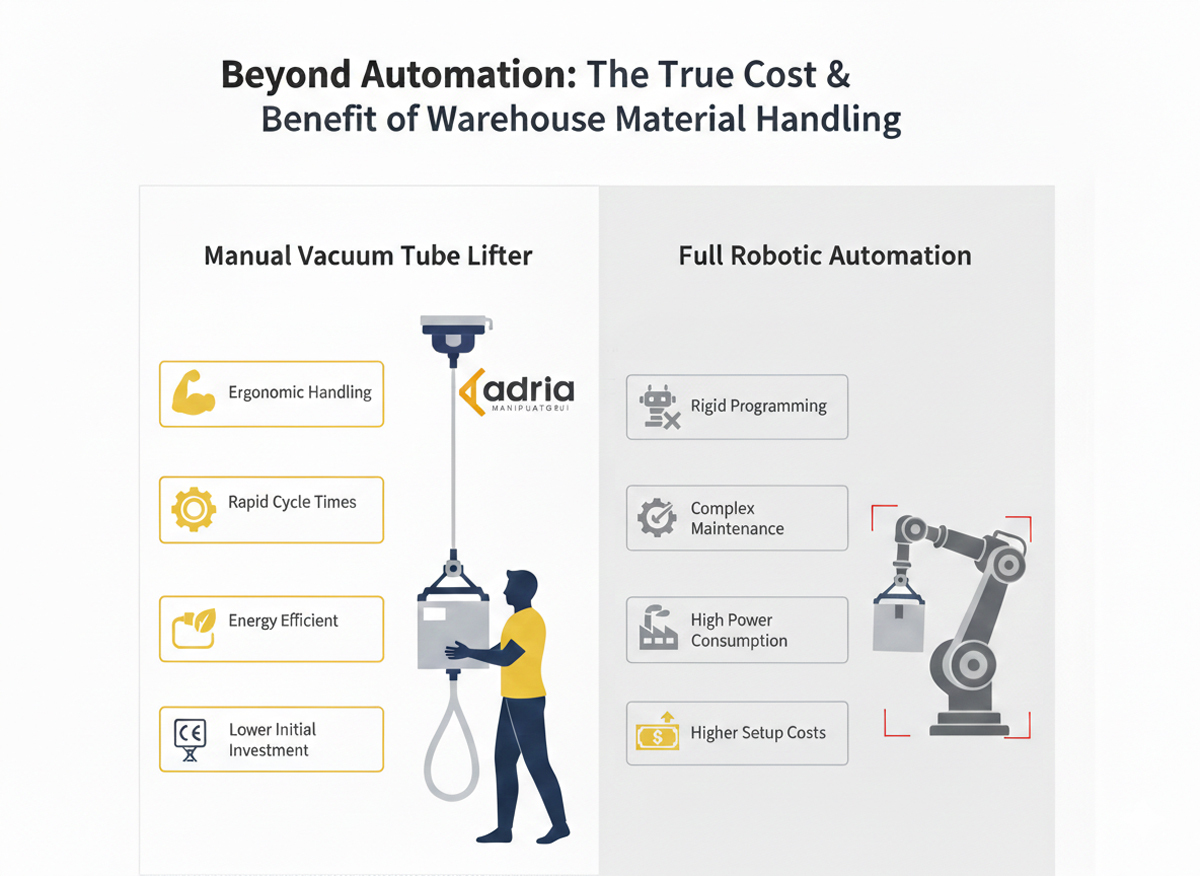
The primary limitation of fully automated robotic systems is often rigidity. In a dynamic pick-and-pack environment—where package dimensions, weights, and surfaces change constantly—automation can create bottlenecks when the workflow deviates from the “expected” model.
Why manual vacuum tube lifters provide superior agility
- Instant adaptability: Operators can switch between different loads and packaging types in seconds—without reprogramming, re-zoning, or sensor re-calibration.
- Minimal disruption when SKUs change: New products, new cartons, seasonal packaging, and supplier variations are handled with operator judgment instead of downtime.
- High-frequency precision: Vacuum handling supports fast pick-and-place cycles while keeping the grip stable and consistent.
- Fewer “automation exceptions”: Mixed surfaces (film wrap, soft sacks, uneven cartons) are common reasons for robotic slowdowns; a vacuum tool + operator is often the simplest solution.
In short: a manual vacuum tube lifter keeps the workflow moving even when reality is messy—which is exactly what most warehouse order picking looks like.
2) Ergonomic Handling as a Productivity Driver
Ergonomics isn’t just about preventing injuries—it’s about maintaining performance. In real warehouses, speed often drops late in the shift due to fatigue. That creates quality issues, mis-picks, and slower throughput during the most critical hours.
The operational impact of ergonomic handling
- Load neutralization: The vacuum system carries the weight, reducing strain from repetitive lifting and awkward postures. This supports industrial lifting safety and enables stable performance.
- More consistent pick rate: Less fatigue means fewer slowdowns and fewer errors in the last hours of the shift.
- Reduced damage and rework: A controlled vacuum grip lowers slip/drop risk and improves placement accuracy.
- Stronger hiring & retention: An ergonomic workspace is a competitive advantage in a tight labor market.
When you combine ergonomic handling with rapid order picking, you get a system that’s not only faster—but also more sustainable for your workforce.
3) Technical Compliance: Navigating EU Standards (2025/2026)
Safety is not optional. Poor compliance can stop production, trigger audit findings, or increase insurance and liability exposure. For a deeper, EU-focused overview, see: CE-Certified Vacuum Tube Lifters: EU Compliance Guide (2025).
Key compliance points to consider
- Machinery Directive 2006/42/EC: structural integrity, safe operation, and documentation practices.
- Machinery Regulation (EU) 2023/1230: transition planning toward updated requirements (applicable from 2027 for new machinery placed on the EU market).
- EN ISO 12100: risk assessment and risk reduction approach—especially relevant for repetitive handling tasks.
- Declaration of Conformity: documentation support for audits and HSE processes.
A practical advantage of a manual vacuum tube lifter is simpler integration: fewer complex interactions than large robotic cells, while still achieving meaningful gains in industrial lifting safety.
4) Energy-Efficient Material Handling & Sustainable Operations
Modern logistics is judged by both speed and footprint. A warehouse can reduce energy intensity by selecting tools that deliver high output without heavy infrastructure overhead. This is where energy-efficient material handling becomes a procurement priority.
Why manual vacuum lifting supports sustainability
- Efficient lift cycles: energy is used primarily during the lift/hold cycle rather than powering large automated structures 24/7.
- Lower infrastructure complexity: less commissioning, fewer interlocks, and fewer specialized components than many automation projects.
- Maintenance-friendly lifecycle: routine checks (pads, seals, filters) are simpler than servicing complex robotic systems.
- Long service life: modular components and practical station integration support long-term use and upgrades.
If you’re aiming for sustainable improvement that still delivers rapid order picking, a manual vacuum solution is often the most cost-effective and resilient option.
5) Choosing the Right Model: AG Series Overview
Selecting the right system is about matching capacity, reach, load surface, and station layout. Below is a practical overview for warehouse and distribution use cases:
- AG033: Best for general order picking where speed, flexibility, and frequent SKU changes are common.
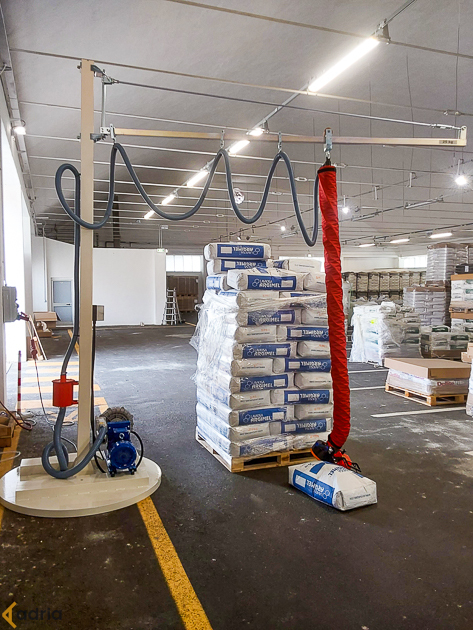
- AG044: Designed for heavier loads and wider work areas—ideal for dense cartons, heavier sacks, and high-reach operations.
- AG055: A compact option where space constraints and ergonomic handling are key.
- AG060: Useful when you need broader operational radius coverage across a larger workstation.
If your goal is manual vacuum tube lifter performance for rapid order picking, start with the heaviest routine load, then choose the reach and mounting that fits your real workflow—not the other way around.
6) Strategic Implementation: A Practical Playbook for Rapid Order Picking
Step 1: Define the picking intent (the “job”)
- Order picking: high frequency, mixed SKUs, variable cartons
- Packing: repetitive handling at a fixed station
- Pallet handling: heavier loads, reach and stability priority
Step 2: Use this sizing checklist before procurement
- Load weight: max + typical weight (include realistic safety margin)
- Load surface: smooth, porous, flexible, dusty, cold-room conditions
- Lift frequency: how many cycles per hour/shift (drives ergonomic priority)
- Reach & headroom: ceiling height, obstructions, aisle width, rack depth
- Mounting concept: column, jib crane, overhead rail (workflow-driven)
- Tooling: suction pads / quick-change heads for mixed SKUs
Step 3: Design for flow, not just “lifting”
The best installations optimize walking distance and touch points. Combine a manual vacuum tube lifter with a station layout that supports short movement paths, clear placement zones, and predictable handoffs to conveyors or staging areas.
Step 4: Standardize operator routines
For rapid order picking, consistency matters. Standardize start/stop checks, pad inspection routines, and handling rules for each SKU family. This helps maintain industrial lifting safety and stable throughput.
Recommended next read (internal)
- Explore Tube Lifters (overview)
- How to Choose the Right Vacuum Lifter for Logistics
- CE-Certified Vacuum Tube Lifters: EU Compliance Guide
Conclusion: The Smart Path Forward
Manual vacuum tube lifters represent the best middle ground between exhausting manual labor and overly complex automation. They deliver the speed needed for rapid order picking, strengthen ergonomic handling, and support energy-efficient material handling—without astronomical setup costs or rigid workflows.
If you want a fast, scalable upgrade, start with the most critical picking station and validate the workflow impact. Once the first cell is optimized, rolling out to additional stations becomes straightforward and predictable.
Model quick start: If you need maximum flexibility for mixed SKUs, start with AG033. If you routinely handle heavier loads and wider zones, review AG044.
FAQ
Are manual vacuum tube lifters a replacement for automation?
Not always—and they don’t have to be. Many warehouses use manual vacuum lifting as a high-ROI layer that improves speed and safety in stations where robotics would be too rigid, too expensive, or too slow to deploy.
What loads are best suited for a manual vacuum tube lifter in order picking?
Cartons, boxes, sacks, and many packaged goods are ideal—especially when lifts are frequent and fatigue affects throughput. The key is matching suction tooling to surface type and porosity.
How do vacuum lifters improve industrial lifting safety?
By reducing manual force, limiting awkward postures, and improving grip consistency. A stable vacuum hold also lowers the risk of drops and sudden load shifts when the system is correctly specified and maintained.
What’s the simplest way to choose between AG033 and AG044?
Choose AG033 for agility and typical warehouse loads, and AG044 for heavier loads, extended reach, and larger work areas.
Note: This article is informational and does not constitute legal or compliance advice. Always validate final configuration for your specific environment and load types.
See Our Tube Lifters in Action
Want to see how our vacuum lifters operate in real industrial environments?
Visit our YouTube channel for demo videos, installations, and expert insights.
Ready to Improve Box and Bag Handling?
Our engineers can review your loads (weight, dimensions, surface) and recommend a vacuum lifting system tailored to your line speed and ceiling height.
Contact the TubeLifters service team for guidance, spare parts, or on-site training.