CE-Certified Vacuum Tube Lifters: EU Compliance Guide (2025)
December 21, 2025
Manual Vacuum Tube Lifter for Rapid Order Picking: Smarter Than Full Automation (2026)
January 30, 2026
The Hidden Costs of Manual Handling: Why Vacuum Technology Is Your Best Investment for 2026
Summary: In a world of rising labor costs and production-halting sick leaves, ergonomics is no longer a luxury—it’s a necessity. This guide explains how ergonomic lifting solutions like vacuum tube lifters deliver measurable vacuum tube lifter ROI, strengthen industrial lifting safety, and help you protect both people and profit.
Table of Contents
- 1) The Statistics You Can’t Ignore: The Real Price of “Manual Work”
- 2) Vacuum Tube Lifter ROI: How Vacuum Lifters Pay for Themselves
- 3) The Pneumatic Advantage: No Electricity, No Worries
- 4) Ergonomic Lifting Solutions for Every Industry
- 5) Conclusion: Is It Time to Upgrade?
- FAQ
1) The Statistics You Can’t Ignore: The Real Price of “Manual Work”
Manual material handling is one of the most persistent drivers of workplace injuries in industrial environments. Musculoskeletal disorders (WMSDs) aren’t just a health issue for employees—they are a financial drain that impacts output, quality, retention, and risk exposure.
Many operations underestimate the true cost because they only count the visible expenses. In reality, a single serious back injury can exceed €40,000 once you include sick leave, compensation claims, reduced productivity, overtime coverage, and the cost of finding and training replacement staff.
In today’s tight labor market, keeping your workforce healthy is one of the strongest competitive advantages you can build. Improving industrial lifting safety is no longer just “nice to have”—it’s operational strategy.
2) Vacuum Tube Lifter ROI: How Vacuum Lifters Pay for Themselves
Investing in ergonomic lifting solutions like vacuum tube lifters often pays back faster than most production upgrades because it improves throughput and reduces injury-related disruption at the same time. In other words: strong vacuum tube lifter ROI comes from both performance gains and risk reduction.
Here’s the practical breakdown of benefits
- Increased Throughput: One operator can perform repetitive lifting tasks faster and with more consistency than manual handling. Many facilities report significant reductions in labor hours for the same output—especially for pick/pack, palletizing, and line feeding.
- Reduced Product Damage: Suction-cup gripping helps prevent surface marks and crushing damage—critical in furniture, glass, packaging, and sensitive goods—reducing waste and reclamation costs.
- Lower Sick Leave & Injury Risk: When you remove high-frequency lifts and awkward postures, you lower WMSD exposure, reduce absences, and stabilize staffing levels.
- Workforce Longevity: Ergonomic tools allow physically demanding tasks to be performed safely by a wider range of employees, supporting retention and helping address labor shortages.
A simple ROI framework you can use internally
Use this quick model to estimate impact:
- ROI drivers: (Saved labor hours + reduced damage + reduced sick leave costs) – (equipment + installation + training)
- Payback period: Total investment / Monthly savings
Even conservative assumptions can show a short payback window—especially in high-volume stations where manual lifts happen all day.
3) The Pneumatic Advantage: No Electricity, No Worries
While some systems rely on electric pumps, many modern operations prefer pneumatic vacuum solutions powered by compressed air. This approach supports both reliability and industrial lifting safety in demanding environments.
Key benefits of pneumatic operation
- Lower Maintenance Burden: Fewer complex components can mean fewer failure points and simpler servicing routines.
- Safety in Specific Environments: Particularly relevant where electrical equipment requires added precautions (e.g., certain regulated zones).
- Quieter Work Areas: Reducing noise improves concentration, communication, and operator comfort—often overlooked, but real.
4) Ergonomic Lifting Solutions for Every Industry: From Boxes to Frozen Meat
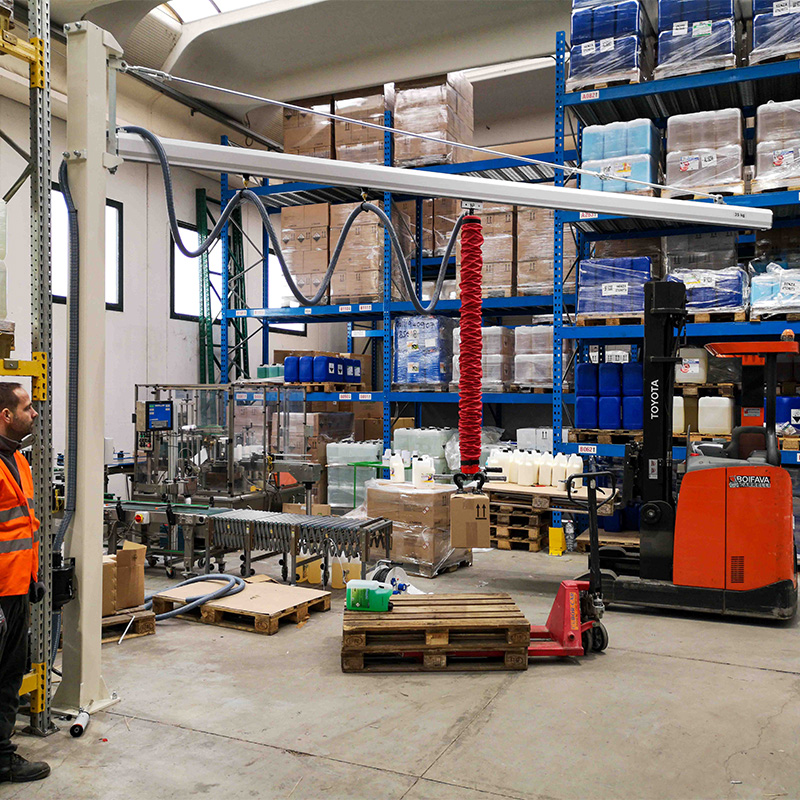
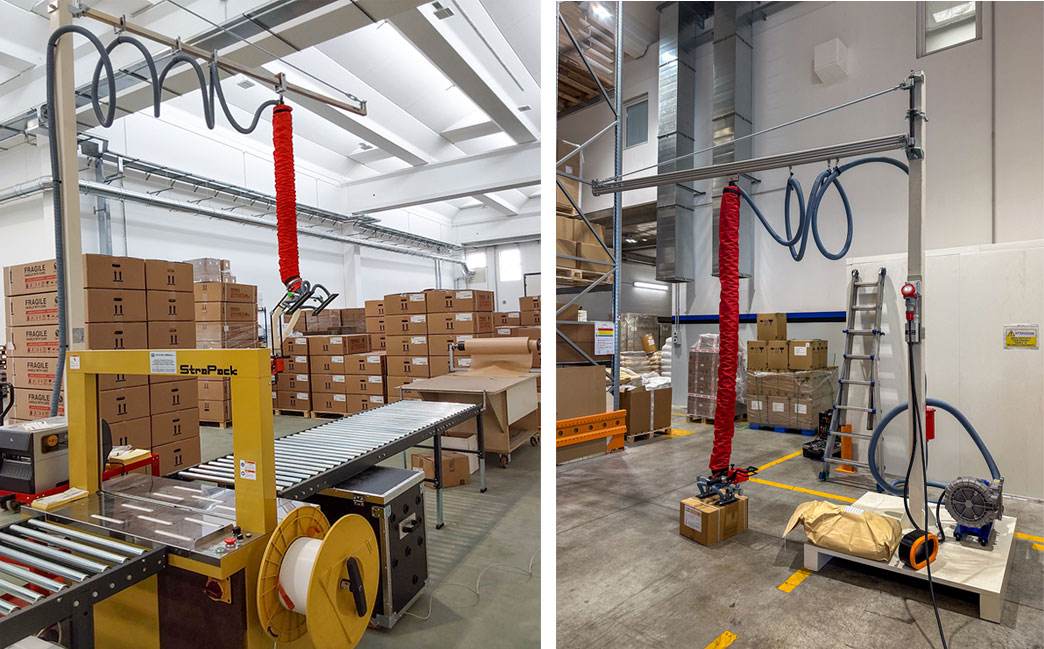
Vacuum tube lifters are popular because they are modular. With quick-change suction heads, the same device can handle different loads across shifts—supporting flexibility without sacrificing industrial lifting safety.
Two proven examples include: AG033 (capacity up to 50 kg) and AG044 (capacity up to 110 kg), designed for high-frequency lifting where ergonomic performance and reliable gripping matter.
Where vacuum tube lifters typically deliver the highest ROI
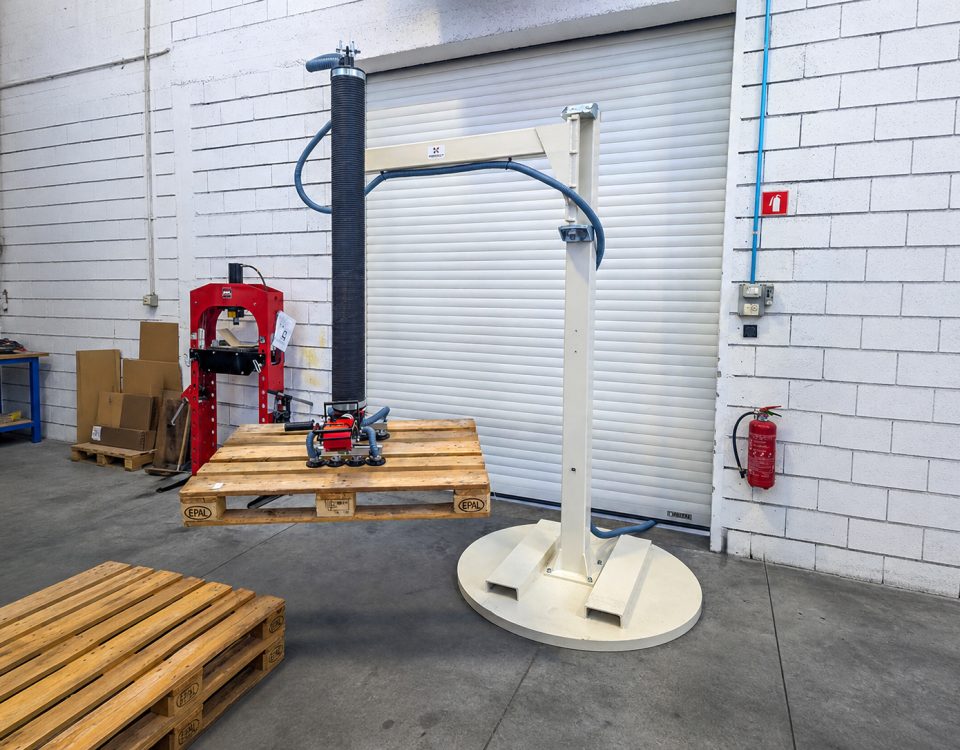
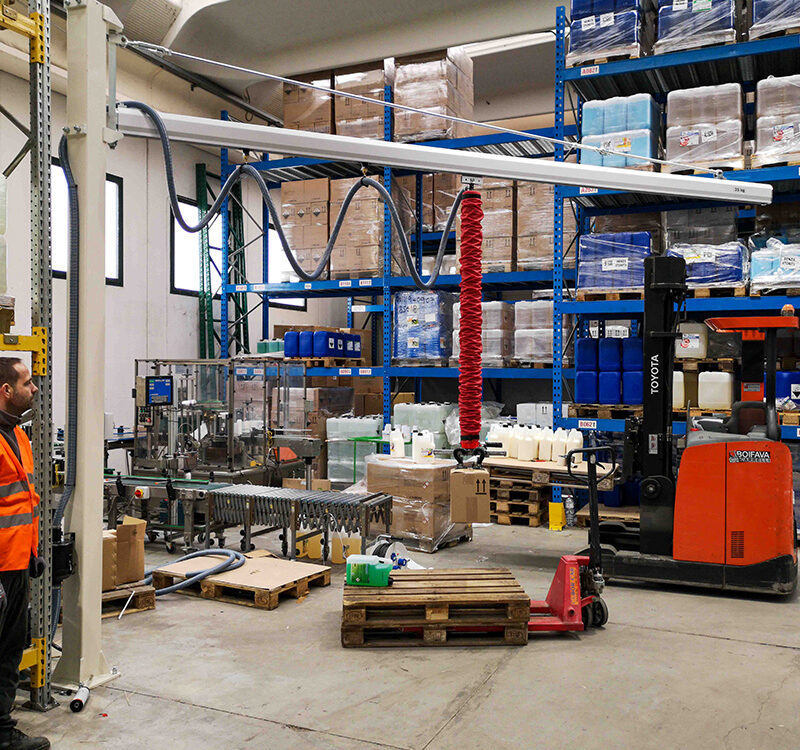
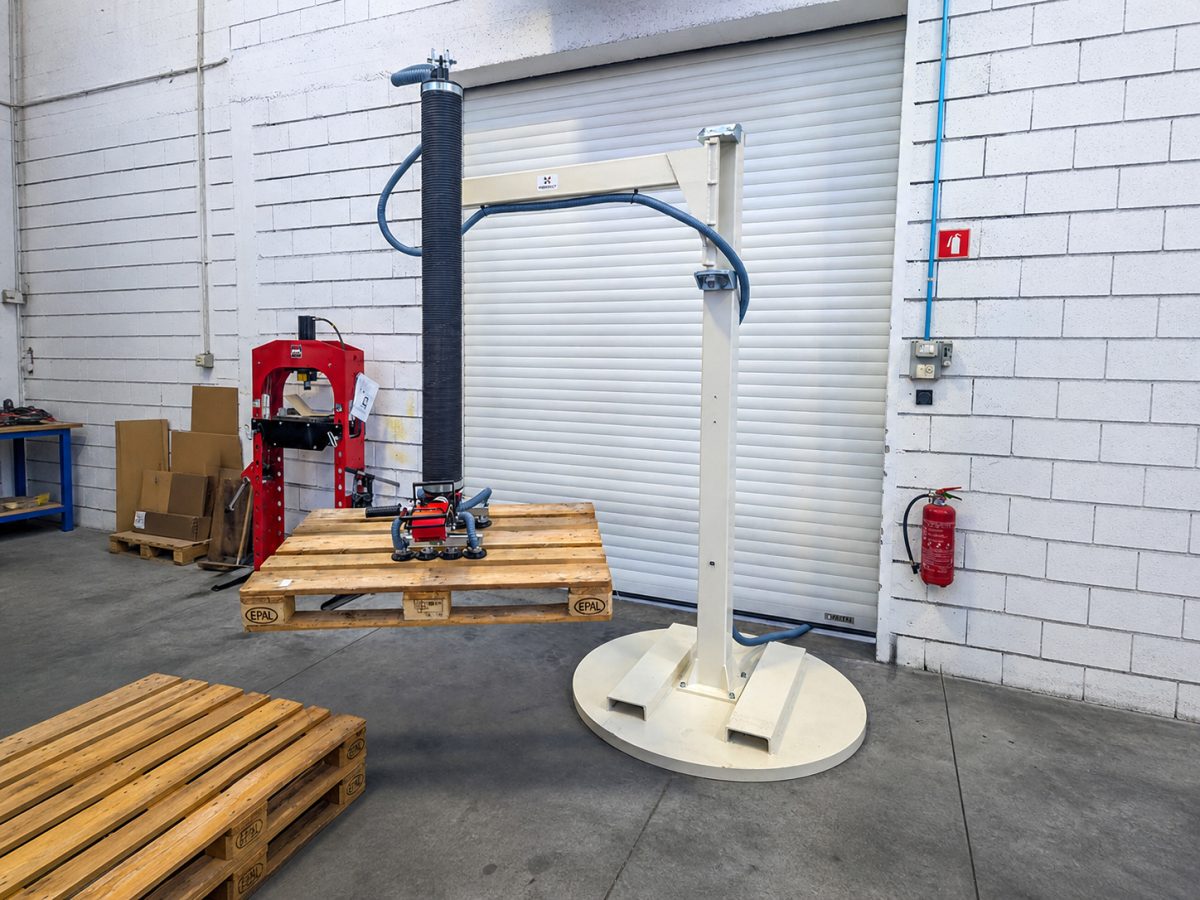
- Logistics & Warehousing: Fast palletizing/depalletizing without fatigue and throughput loss.
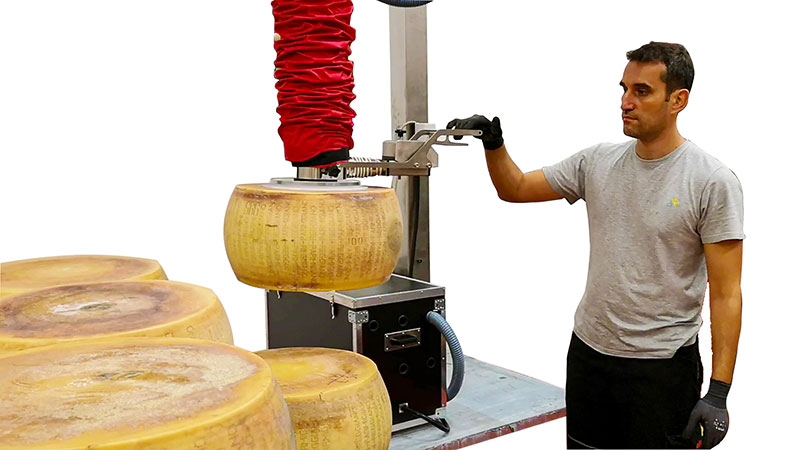
- Food Industry: Hygienic handling options for heavy blocks of meat, cheese, or packaged goods.
- Furniture & Wood: Moving large panels and boards without scratches or surface damage.
- Packaging: Repetitive box/carton handling with consistent cycle times and reduced strain.
If your team performs repetitive lifts daily, these ergonomic lifting solutions can be one of the simplest upgrades that produces measurable vacuum tube lifter ROI.
5) Conclusion: Is It Time to Upgrade?
If your workers are lifting loads over 15 kg daily—or performing high-frequency lifts even at lower weights—it’s not a question of if strain will accumulate, but when it becomes a real operational problem.
By implementing vacuum technology, you improve industrial lifting safety, reduce sick leave disruption, protect product quality, and increase consistent output. In 2026, that combination is what makes vacuum tube lifters one of the smartest investments on the factory floor.
FAQ
How fast can vacuum tube lifter ROI be achieved?
ROI depends on lift frequency, labor costs, injury history, and product damage rates. High-volume stations often see the fastest payback because savings come from both throughput and reduced sick leave disruption.
Do vacuum tube lifters improve industrial lifting safety?
Yes—by reducing manual force, awkward postures, and repetitive strain. They also improve handling control, lowering the risk of drops and sudden load movements when properly selected and maintained.
What’s the difference between AG033 and AG044?
AG033 is ideal for versatile lifting up to 50 kg, while AG044 supports heavier loads up to 110 kg and is suited for demanding, high-frequency applications.
Are vacuum tube lifters considered ergonomic lifting solutions?
Absolutely. They’re designed to reduce physical strain while improving control and consistency—helping more operators perform the same work safely.
Note: This article is informational and does not constitute legal or safety compliance advice. Always assess the correct configuration for your loads and environment.
See Our Tube Lifters in Action
Want to see how our vacuum lifters operate in real industrial environments?
Visit our YouTube channel for demo videos, installations, and expert insights.
Ready to Improve Box and Bag Handling?
Our engineers can review your loads (weight, dimensions, surface) and recommend a vacuum lifting system tailored to your line speed and ceiling height.
Contact the TubeLifters service team for guidance, spare parts, or on-site training.